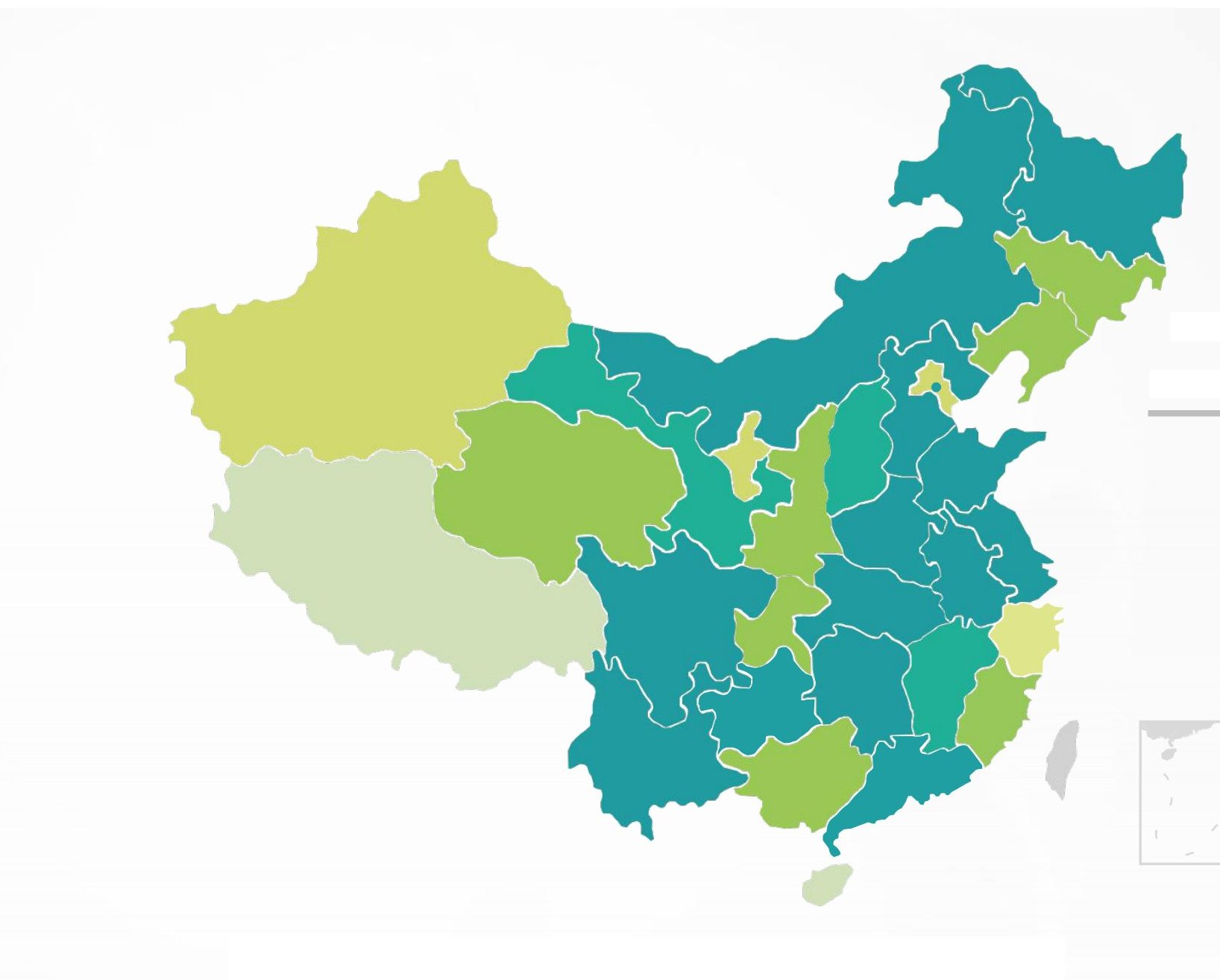
Every province, mapped
The network reaches all 31 provinces — 332 prefecture-level cities, 2,794 counties and 37,670 townships — with coverage deepest outside the major-city tiers, where the need is greatest.
 PICA Health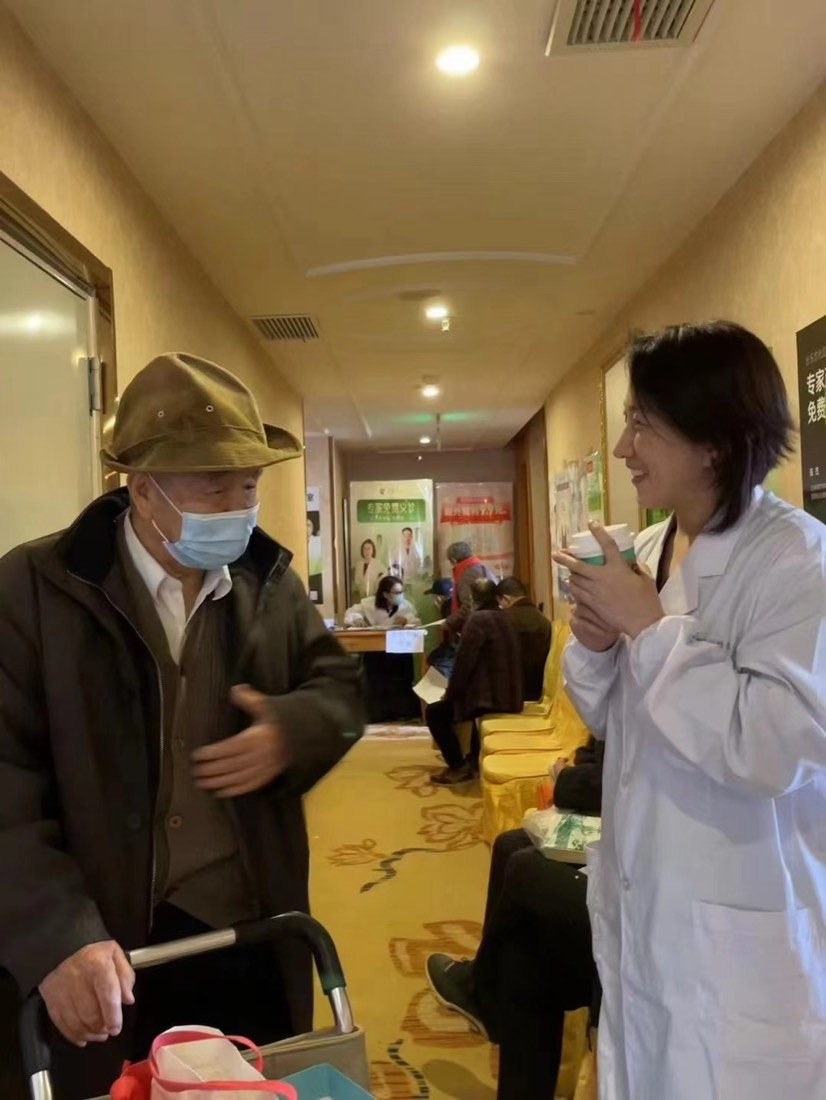
Ten years later, we run China's largest digital enablement platform for primary care. The network spans 450,000+ primary-care institutions and 2.9 million registered physicians and nurses, reaching 37,670 townships and more than one billion residents across all 31 provinces.
The network reaches all 31 provinces — 332 prefecture-level cities, 2,794 counties and 37,670 townships — with coverage deepest outside the major-city tiers, where the need is greatest.
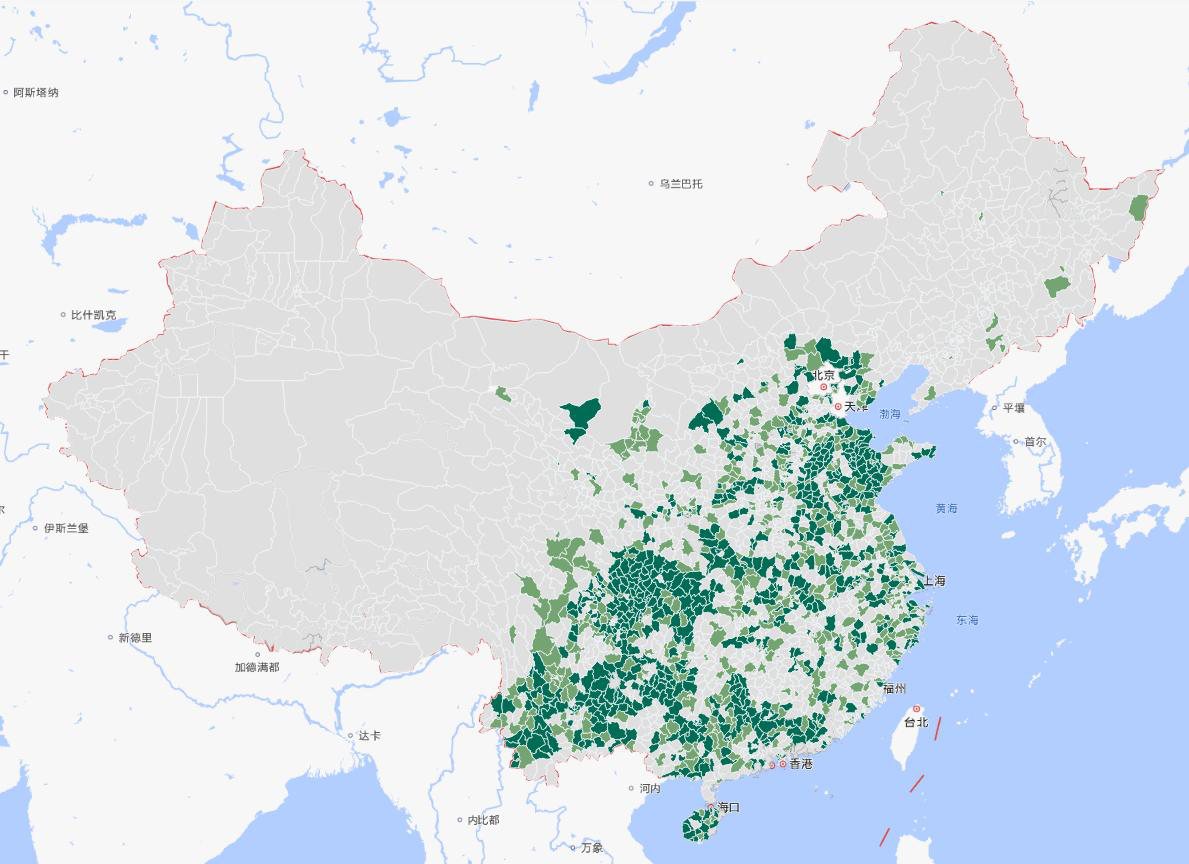
1,483 counties — 52.1% of all counties nationwide — have physicians actively running clinical programmes through the platform, concentrated across China's eastern and central heartland.
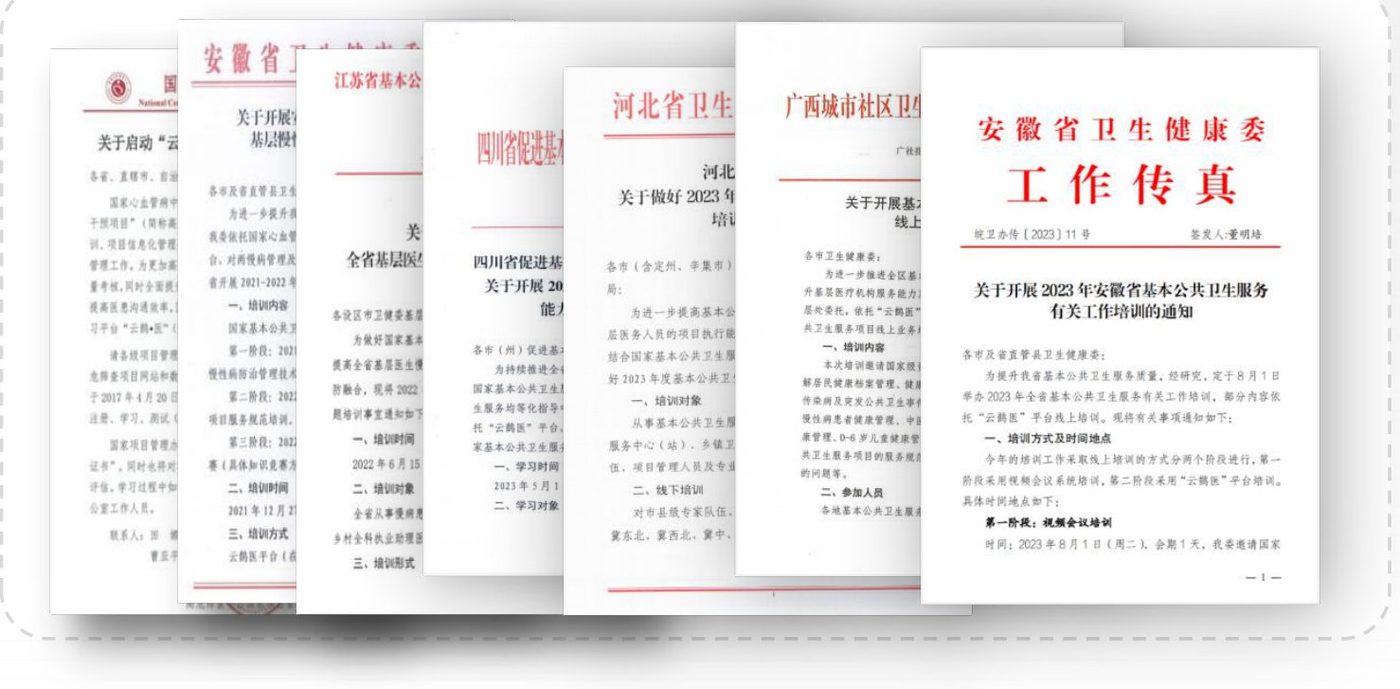
Provincial and municipal health commissions issue official directives that name our platform for delivering grassroots physician training — the backbone of 600+ government programmes, 44.2 million learning sessions and 2 billion minutes of learning time.
We build and continuously upgrade China's online training system for grassroots physicians — from national health-commission programmes to daily clinical micro-learning.
We help pharmaceutical, device and diagnostics companies — Chinese and international — reach the last mile of China's health system: its townships and villages.
We give insurers, foundations and government health projects an efficient, low-cost route to execution across county, township and village level.
In 2025, after ten years on the ground, we opened our platform to international partners. If your organisation works on primary care in developing countries, PICA Health is a trusted, auditable route to every city, county, township and village in China's health system.
Programmes already running with international partners:
An eight-month influenza disease-education programme with a global pharmaceutical company, reaching grassroots physicians nationwide.
With UNFPA, educating community and village doctors to shift health awareness and behaviour among rural women.
With Bayer Foundation and the Institute for Sustainable Communities, training physicians and community volunteers in heat-illness prevention and first aid — building resilient communities.
Primary-care institutions handle 1.34 billion visits a year — 34.9% of all outpatient volume in China. Secondary hospitals handle 2.06 billion (53.6%); tertiary hospitals just 440 million (11.5%).
Tiered diagnosis and treatment (分级诊疗) is national policy. Government projections place up to 80% of future healthcare growth at the primary-care level.
China has roughly 700,000 primary-care institutions spread across 2,840 counties. They are small, numerous and dispersed. Conventional field-force outreach does not scale here — the cost per physician contact is prohibitive.
Primary-care physicians carry the widest clinical remit with the least support. Demand for standardised clinical knowledge and current guidelines far exceeds supply.
Reach is easy to claim. Depth is what we can prove — every layer below is recorded platform behaviour, not survey estimates.
Reach is not the same as depth. 80% of our physician network practises in tier-3 cities and below.
Women's health education across the life course, delivered to grassroots physicians.
A climate-resilient health programme expanding from selected trainees to full local primary-care coverage.
An eight-month influenza education programme reaching 100,000+ grassroots physicians nationwide.
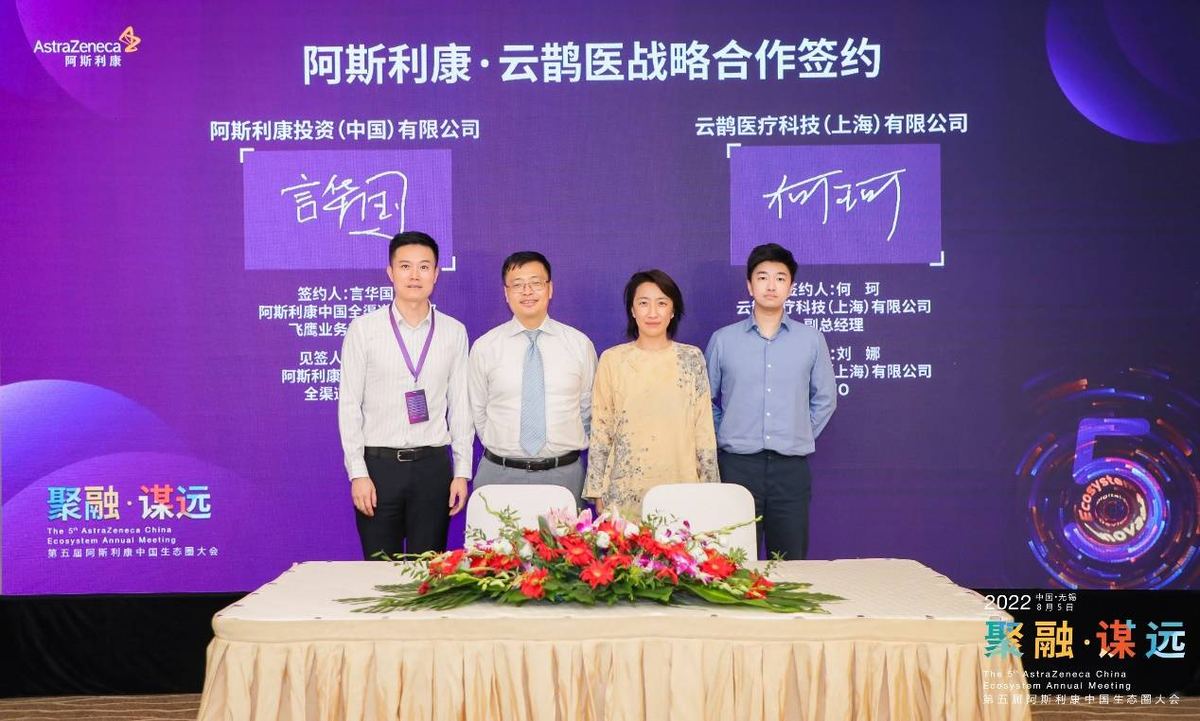
The "Thriving at the Grassroots" programme: structured training for grassroots physicians on diabetes, hypertension, coronary heart disease and asthma, carrying national-level CME credits.
Press coverage (Chinese), 2022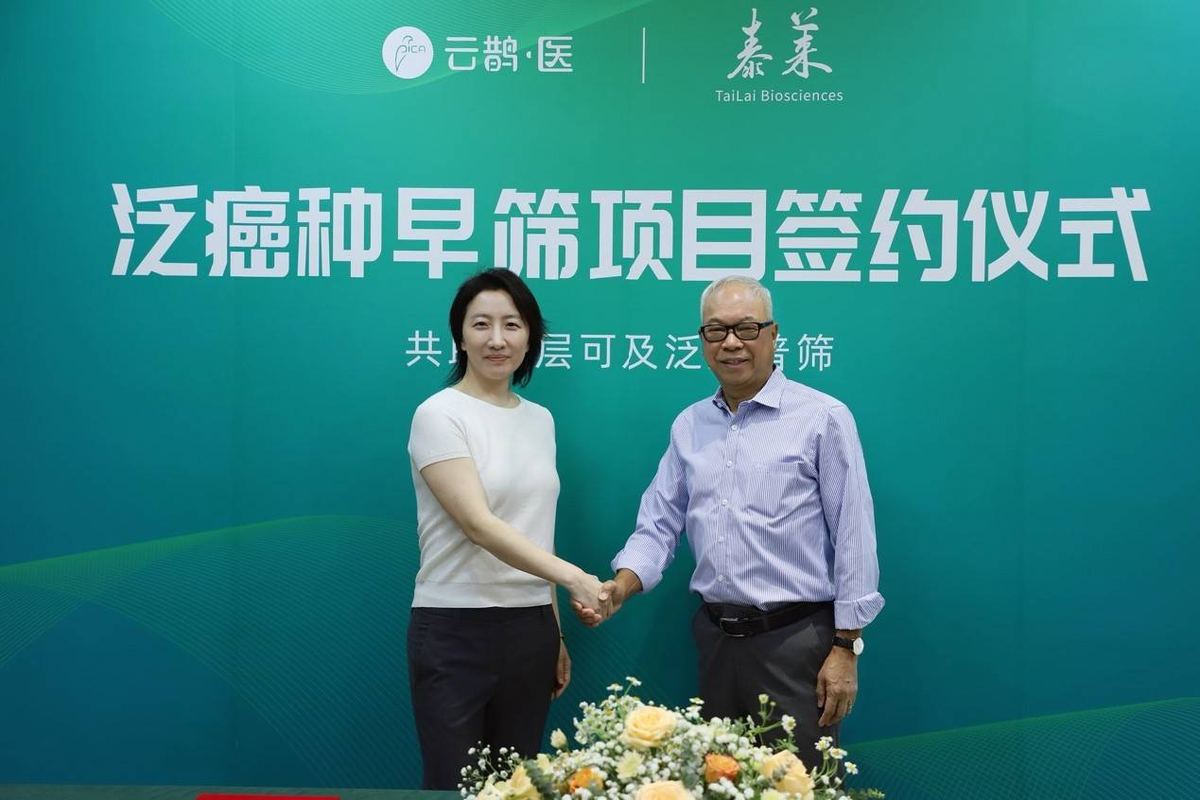
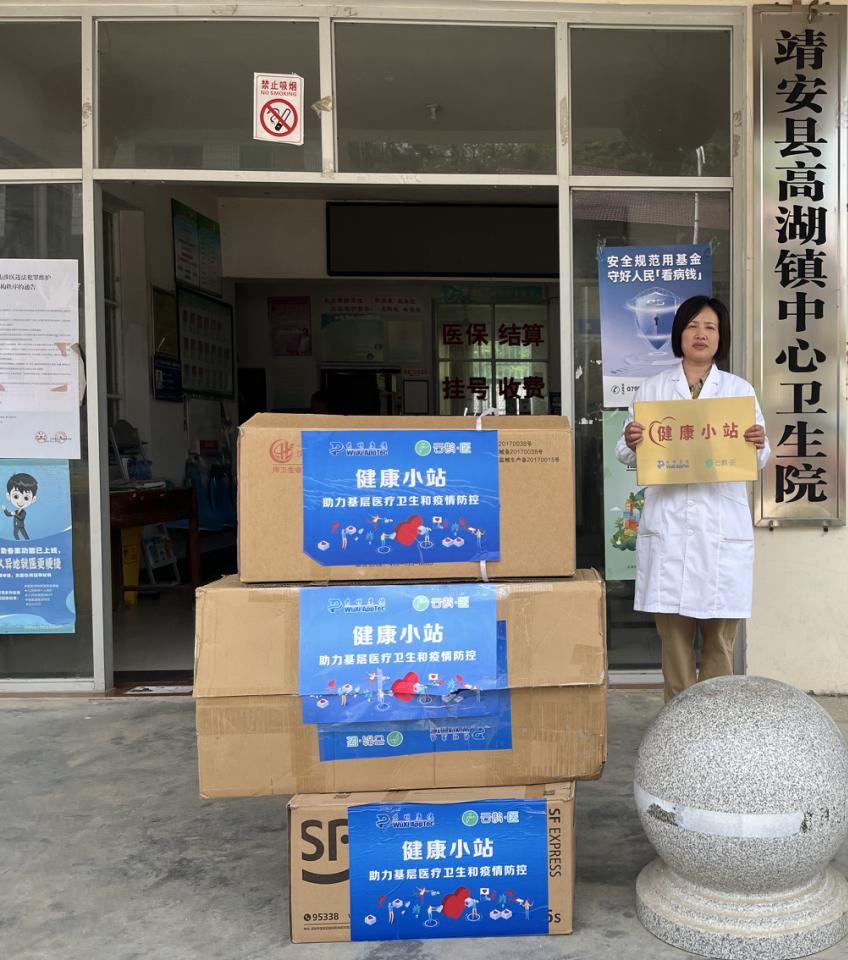
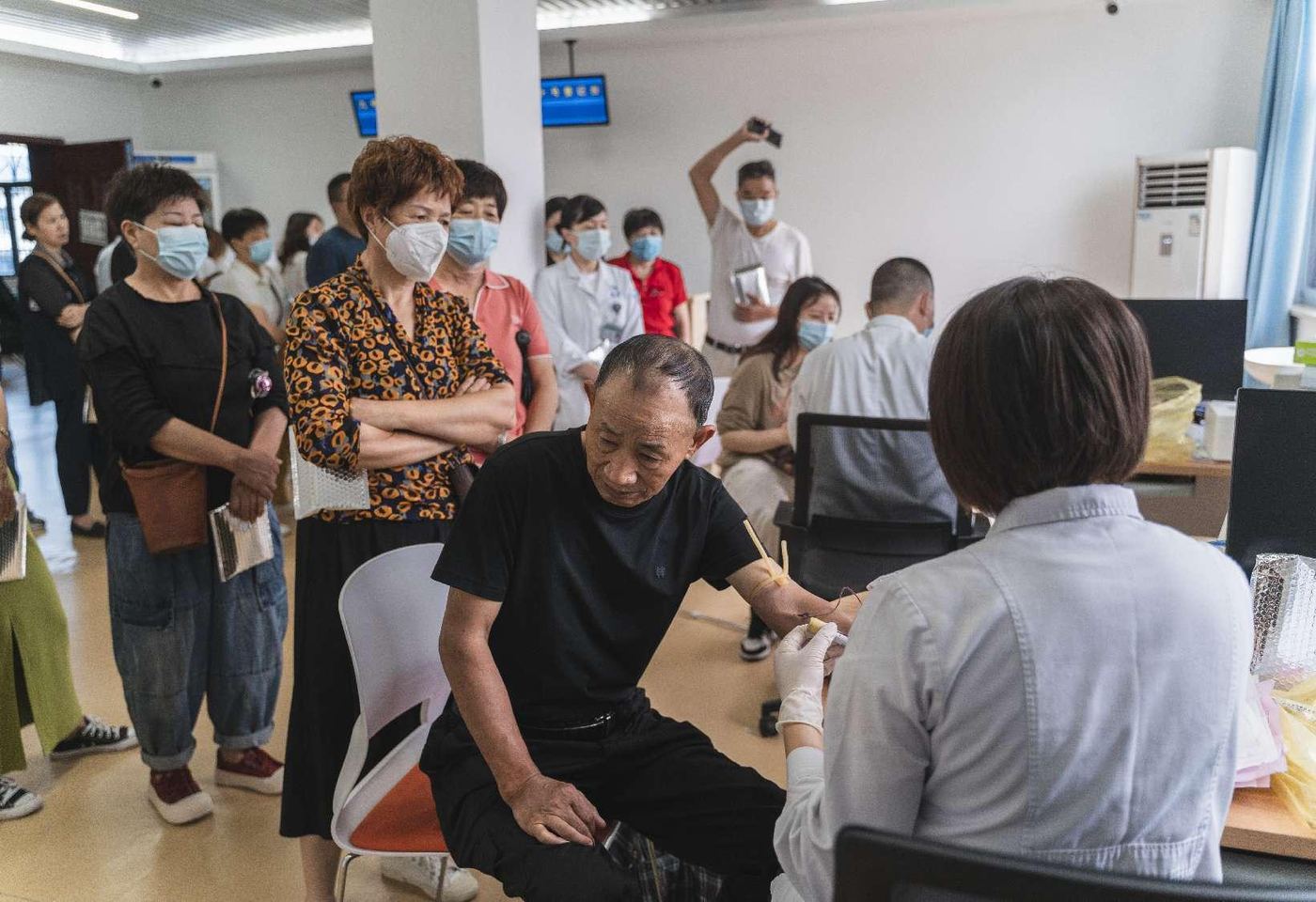
200,000+ grassroots physicians took part and nearly 1 million residents were screened, starting July 2021.
Press coverage (Chinese), 2022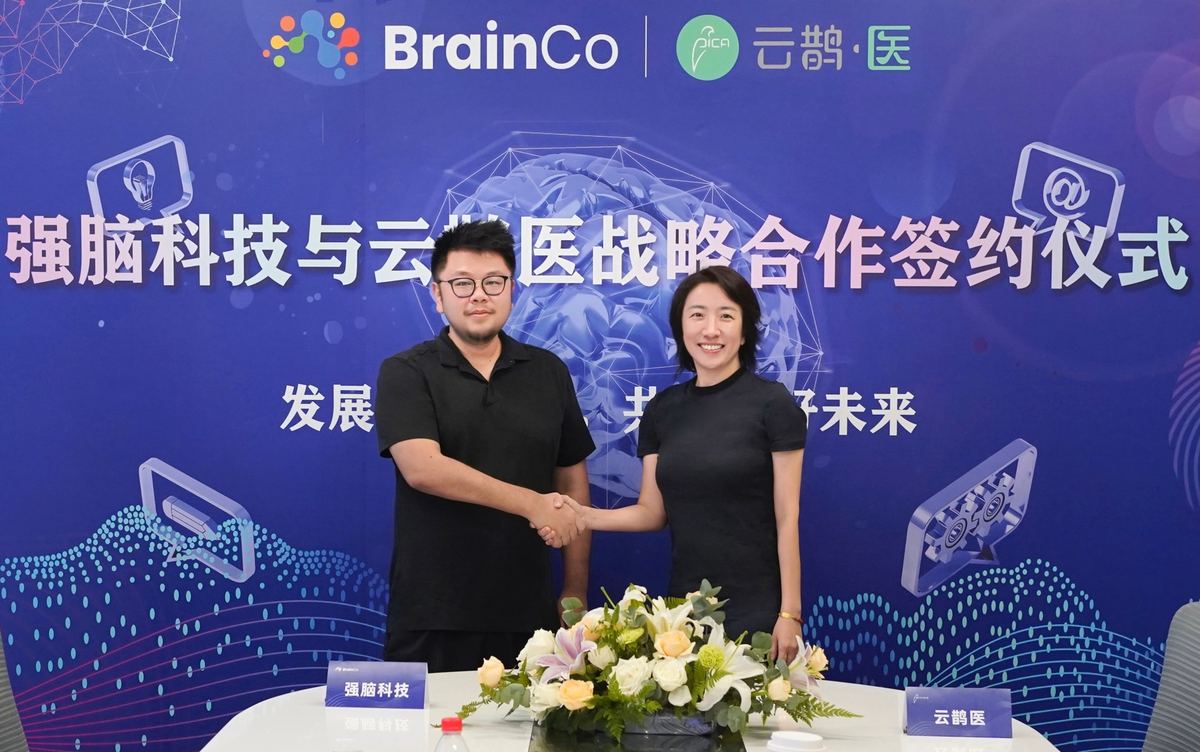
A strategic partnership bringing non-invasive brain–computer-interface attention and stress-management systems into community and township facilities.
Press release (Chinese), 2022You provide the content and define the target physician profile — by province, institution type or clinical specialty.
Our medical team reviews every item for clinical accuracy and local applicability. We are a designated training provider for National Health Commission programmes, and our review process is built to that standard.
Approved content enters our continuing-education system and AI assistant layer, reaching physicians across all four channels. Our education model runs a full loop: baseline assessment → training → examination → certification.
You receive a partner account to track reach, engagement and certification — and export the data.
This is not a pilot process. We have run it for:
Content platforms stop at knowledge transfer. Our network carries a programme all the way to care — because education that ends in a certificate is a course, and education that ends in a care pathway is a health system.
Structured training and certification builds real clinical capability at the point of first contact.
Trained physicians run community health education and screening — reaching the people conventional channels never touch.
Disease-area consultation clinics link grassroots physicians to senior specialists on real cases, in real time.
Local family-physician matching, follow-up management and patient education keep outcomes improving after the programme ends.
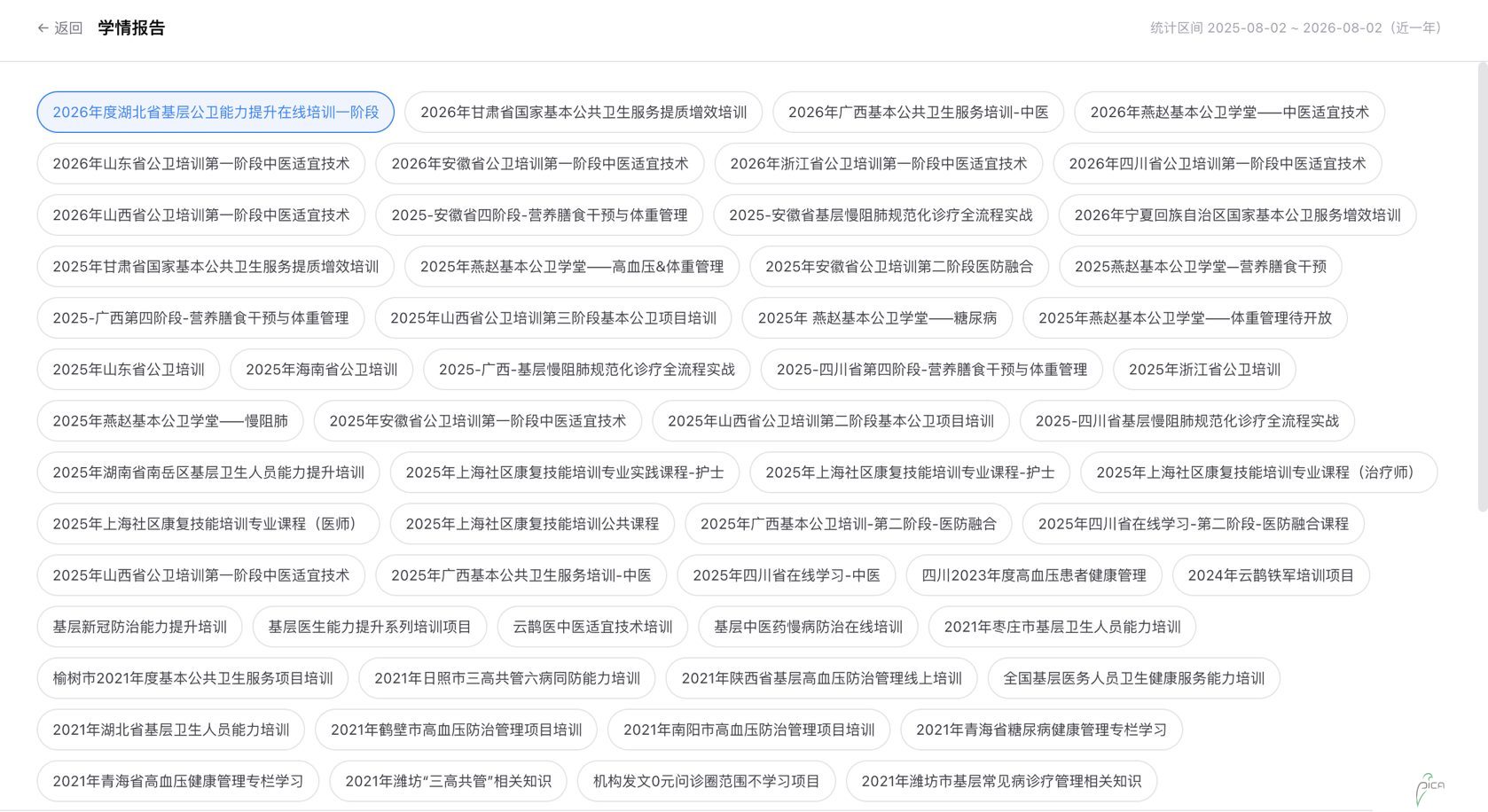
One programme, many formats — matched to how grassroots physicians actually learn. A single provincial health-commission programme reaches 20,000–80,000 physicians with 20–30 courses:
Online: courses and micro-courses, expert live sessions, short clinical videos, illustrated patient-education materials, case discussions, knowledge competitions, and pre/post surveys for outcome measurement.
Community: 2,500+ moderated physician WeChat groups for follow-up discussion and education delivery.
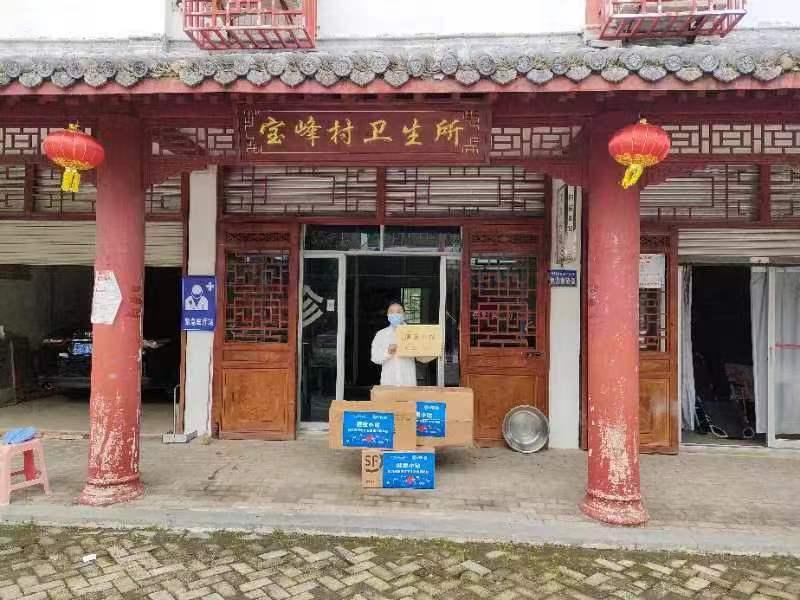
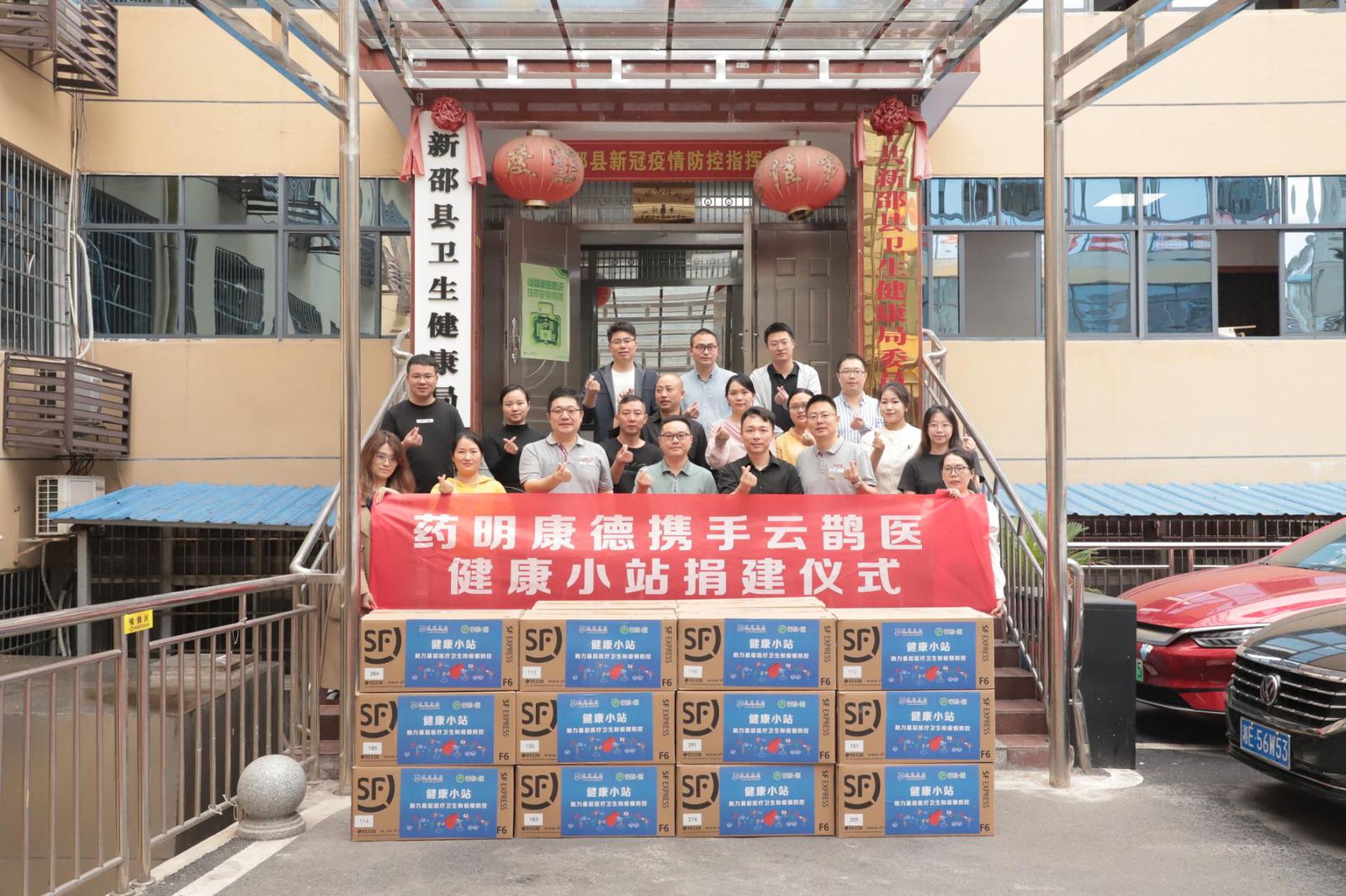
In person: training workshops, physician bootcamps, and community health-education and screening events.
Adverse event reporting, built in. We manage long-term patient follow-up and adverse event reporting to the standards international pharmaceutical partners require. Compliance is not something we retrofit at the end of a programme.
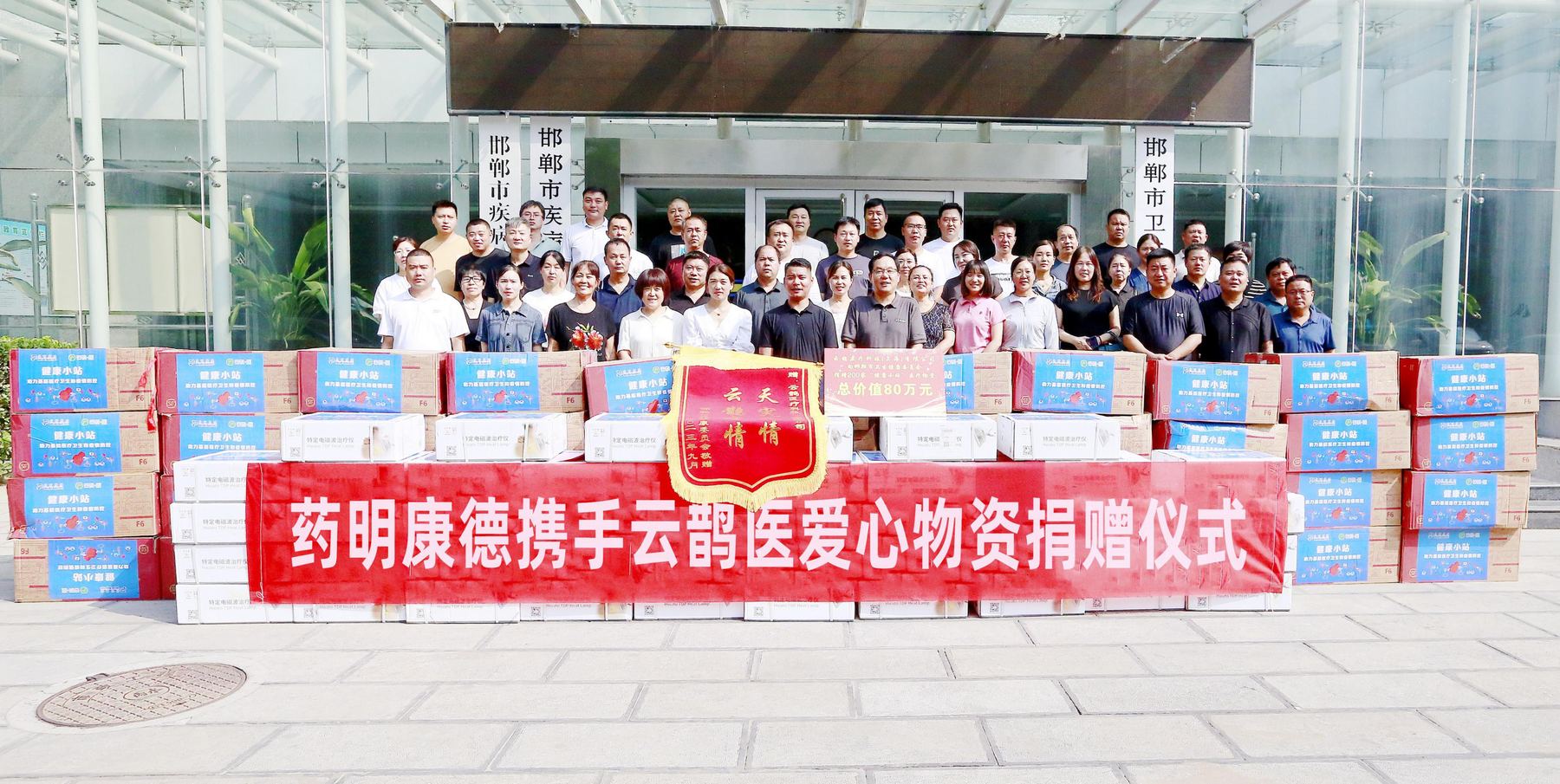
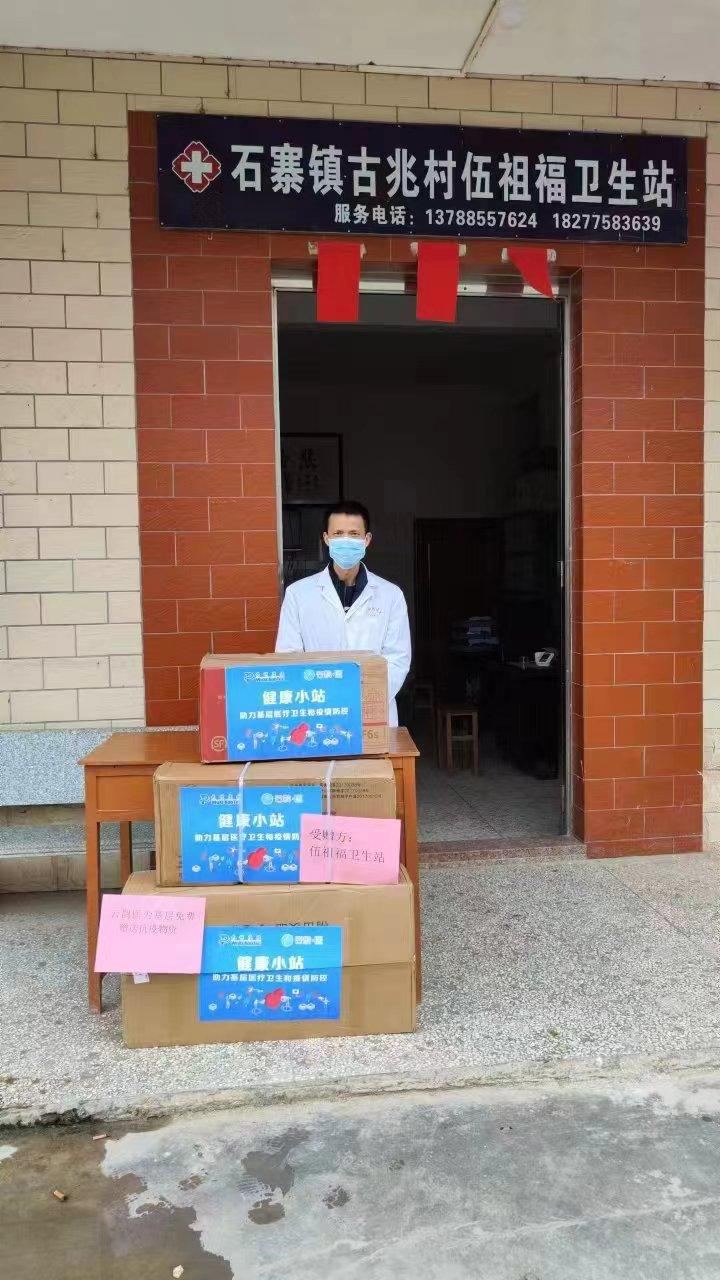
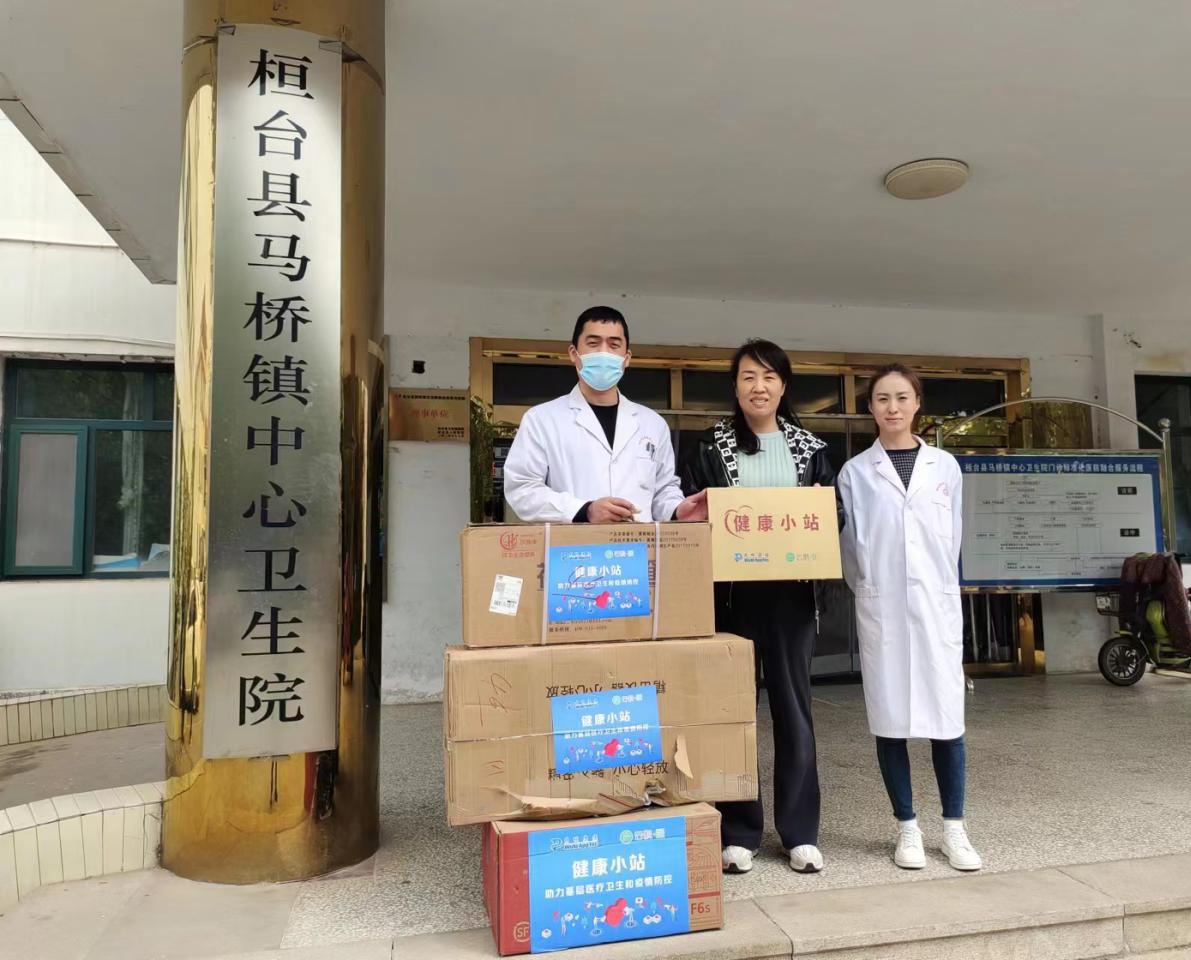
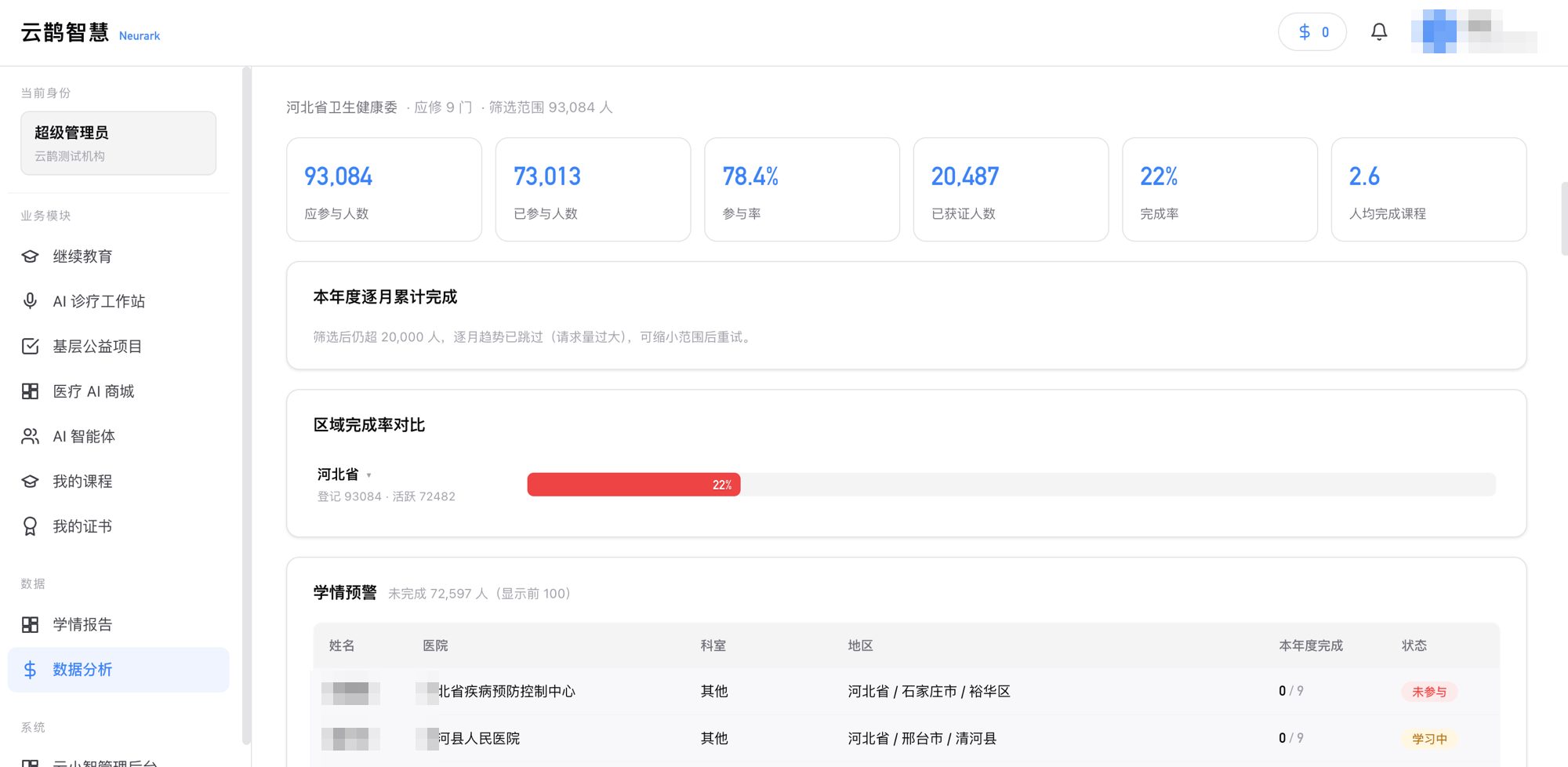
A named account for your organisation, scoped to the content you funded. Included in every partnership, at every tier — not a premium add-on. No waiting for a quarterly PDF.
Province → city → county → institution. See exactly where engagement is strong and where it is not.
We track 100% of physician content shares and the resulting resident clicks. You see not just whether a doctor completed a module, but whether the knowledge travelled to the community.
A physician counts as certified only after completing every course and passing every exam. Opening a page does not count.
Excel with institutional summary and individual detail — ready to drop into your internal reporting.
Why our numbers survive audit
Certification is derived from completion and examination records, not page views.
Village clinics roll up to their parent township health centre automatically, so institutional counts reflect the real administrative hierarchy.
Metrics are aggregated and de-identified. We do not expose individual patient data.
Guideline Q&A. Retrieval over a curated corpus of clinical guidelines, answering with source-level citations.
Documentation assistant. Helps physicians complete forms and reports.
Population health assistant. Patient rosters, cohorts, follow-up scheduling and education materials.
Document analysis. Upload a document, ask questions against it.
Usage analytics. Query hit-rate trends and out-of-corpus question lists — a direct signal of where content is missing, feeding the next round of content planning.
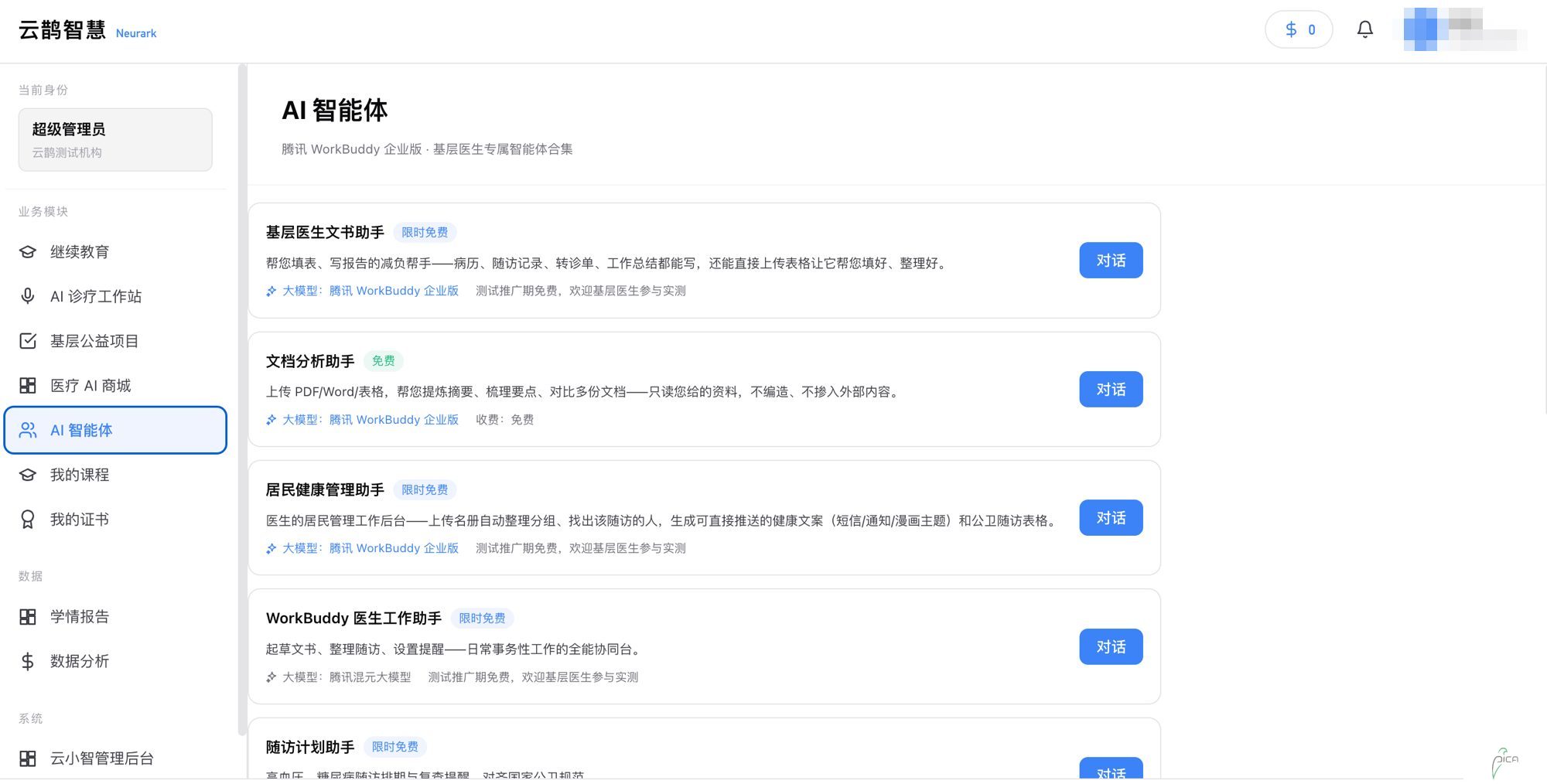
JD Zhiyi clinical evidence assistant. Through our 2026 strategic partnership with JD Health, JD's medical AI suite is integrated into the platform — evidence-based answers drawing on 40M+ publications, 40,000 clinical guidelines and 30,000 drug labels, free for every registered physician.
Behind every answer sits a curated knowledge base: an authoritative, human-reviewed canonical layer of 224 chapters, plus a 60-chapter clinical-guideline corpus that powers retrieval with source-level citations. Automated monitoring watches authoritative sources for updates; nothing enters production without editorial approval.
AI-embedded content is limited to disease education, clinical guidelines and care standards. No branded drug recommendations. No product-oriented content. Everything passes academic review first.
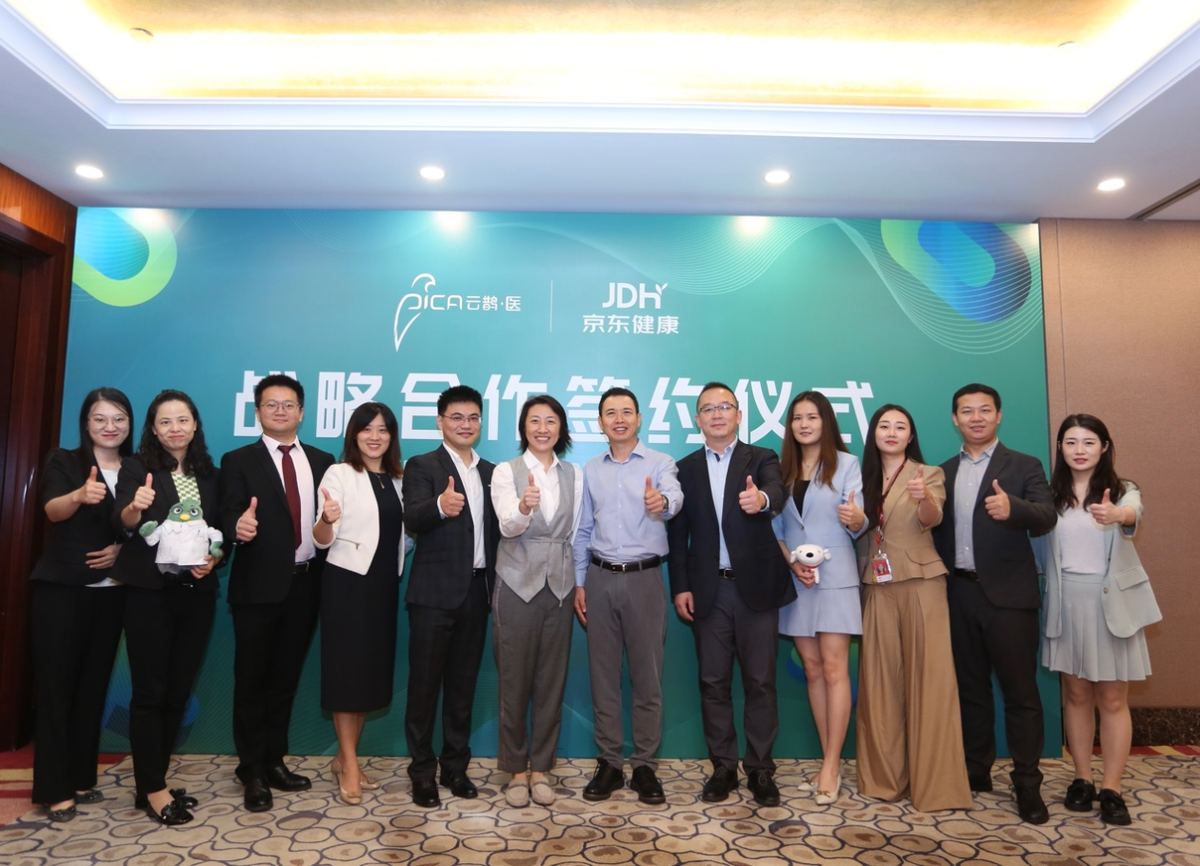
Backed by a strategic partnership with JD Health since 2021 — deepened in 2026 to combine JD's AI and supply-chain strengths with our physician network — and working relationships with 100+ upstream device, diagnostics and pharmaceutical companies, we support sourcing and distribution links for overseas partners — whether you are sourcing medical devices, consumables or consumer health products from China, or bringing a brand into China's primary-care channel.
Regulatory registration in the destination market remains the importer's responsibility.
Press: JD Health × Yunqueyi strategic partnership (Chinese), Huanqiu Health, Aug 2021
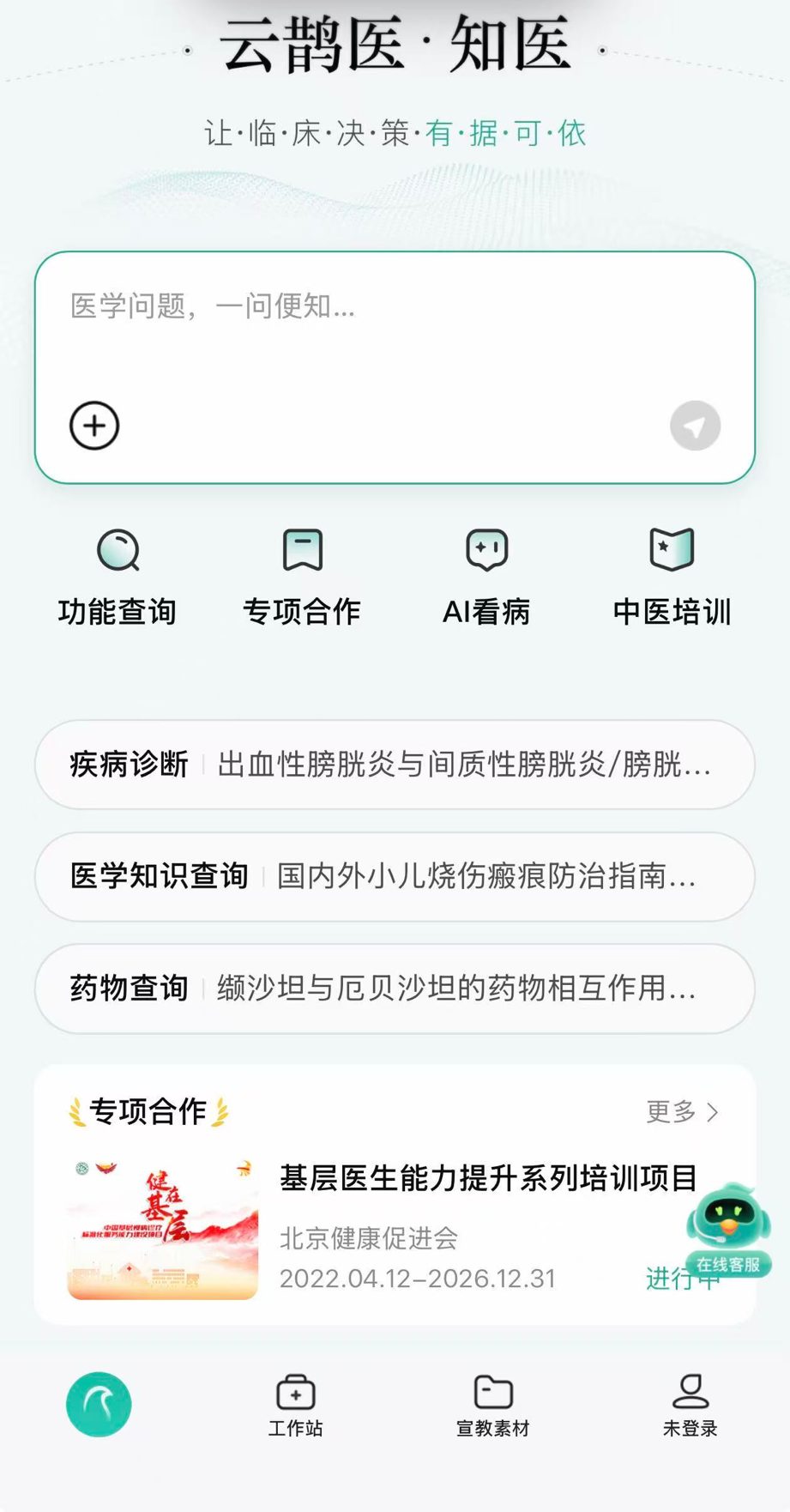
Our in-platform marketplace spans five categories: medical AI models, AI agents, TCM diagnostic hardware, health devices and pharmaceuticals. We do not grant exclusivity to any single partner — vertical AI integration slots are open by design.
The flagship integration: our 2026 strategic partnership with JD Health combines JD's "AI + supply chain" strengths with our physician network. JD's full medical-AI suite now runs inside our app — led by JD Zhiyi, the clinical evidence assistant drawing on 40 million+ publications, 40,000 clinical guidelines and 30,000 drug labels, with a deep-reasoning mode, 200+ medical calculators and a research assistant — free for every registered grassroots physician.
Grassroots physicians can consult top-tier specialists in real time on complex cases. For partners running disease-area programmes, this means education does not stop at knowledge transfer — it connects to an actual referral and consultation pathway. Dedicated disease-area consultation clinics have carried 50,000+ specialist consultations within a single six-month programme.
Inclusive-insurance schemes need trusted local execution. We deliver grassroots health-education and screening services for 10+ regional inclusive-insurance programmes across nine provinces — the delivery layer between an insurance product and the community it serves.
| Credential | Note |
|---|---|
| Internet Hospital Licence | Operating licence for online medical services |
| Medical Institution Practice Licence | — |
| Medical Device Distribution Licence (Class III) | Highest risk class under Chinese regulation |
| Pharmaceutical Distribution Licence | — |
| ISO 9001 | Quality management system |
| Information Security Management System Certification | — |
| MLPS Filing | China's Multi-Level Protection Scheme for information systems |
We are a designated training provider for National Health Commission education programmes. Certificates in traditional Chinese medicine techniques, rehabilitation and health management are issued jointly with:
China Academy of Chinese Medical Sciences
Institute of Basic Theory for Chinese Medicine
World Federation of Acupuncture-Moxibustion Societies (exchange centre)
Partner dashboards show aggregated, de-identified engagement metrics only.
Raw clinical and patient data never leaves our domestic environment.
Content published through our AI layer is limited to disease education, clinical guidelines and treatment standards. We do not carry brand-directed product messaging.
Operating since 2016, incubated from WuXi AppTec. Partners have included UNFPA, Bayer Foundation, Roche, AstraZeneca, JD Health, BrainCo, TaiLai Biosciences, WuXi Diagnostics, New Horizon Health and BioChain.
Tell us what you want to achieve in China.
We reply within two business days.