 PICA Health← Case studies
Bayer Foundation × ISC × PICA Health — Case Study
A climate-resilient health programme expanding from selected trainees to full coverage of local primary-care teams.
The Challenge
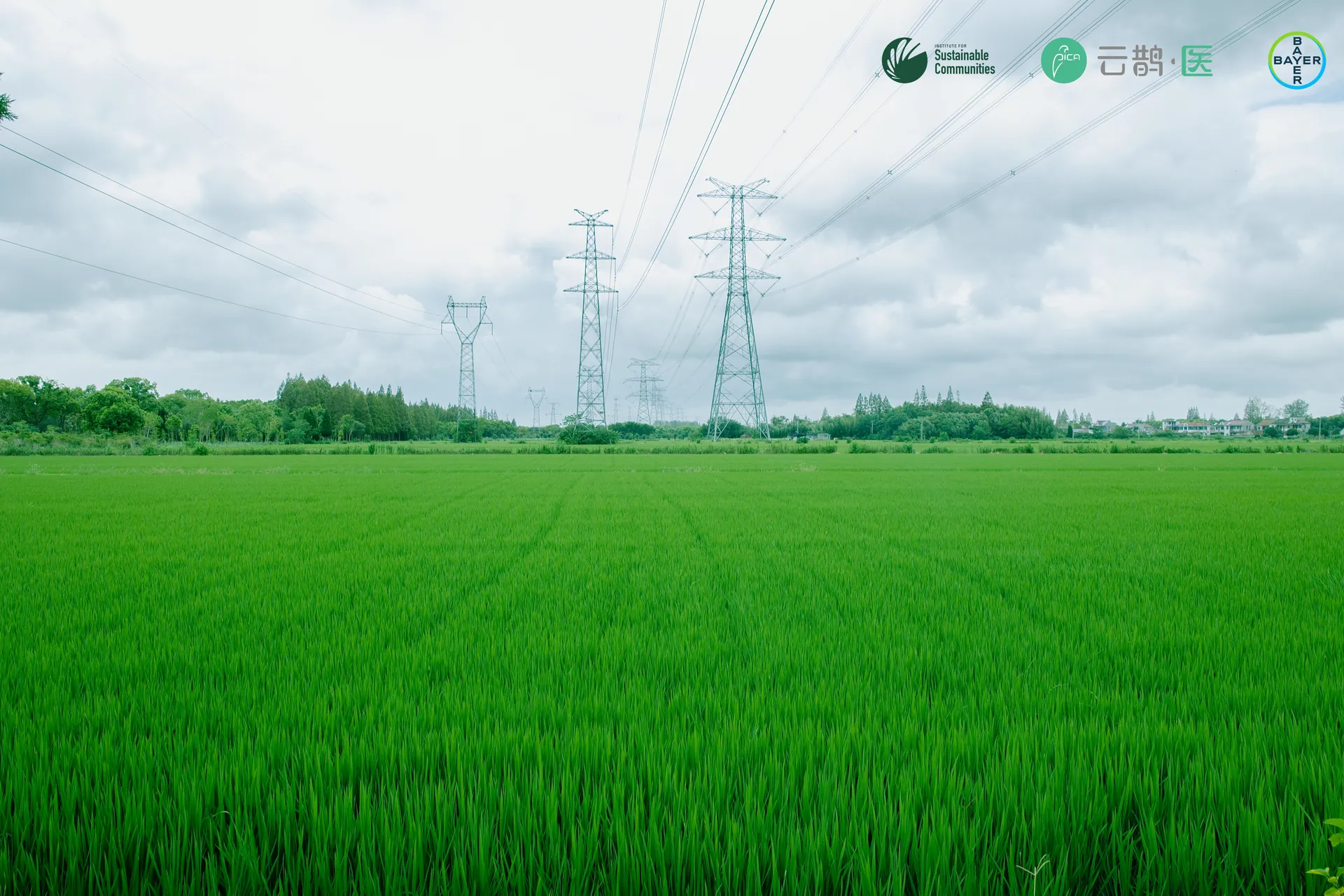
2025 set China's modern heat record — an average of 16.5 extreme-heat days nationwide, the most since 1961. In the fields, the risk lands on outdoor agricultural workers: older farmers, women, and people with hypertension or heart disease, who face heatstroke, dehydration and collapse during farm work. China's village clinics, despite their reach, largely lack dedicated protocols, equipment and supplies for climate-induced emergencies.
What We Did
Initiated jointly by the Institute for Sustainable Communities (ISC), Bayer China and PICA Health, the pilot builds a "climate-adaptive" health protection net in rural China — starting where the risk is highest.
Curriculum: China's first practical training curriculum on field heatstroke, dehydration and acute climate-related illness, developed by an interdisciplinary team of emergency-medicine, public-health and climate experts.
Digital delivery: Short-video and interactive-case training pushed to pilot-region physicians through our platform — low cost, high coverage, learn-anywhere.
Community demonstration sites: Five rural clinics across Shanghai and Guangdong serve as first-line hubs, each equipped with cooling equipment and first-aid supplies, with a locally adapted heat-emergency response plan.
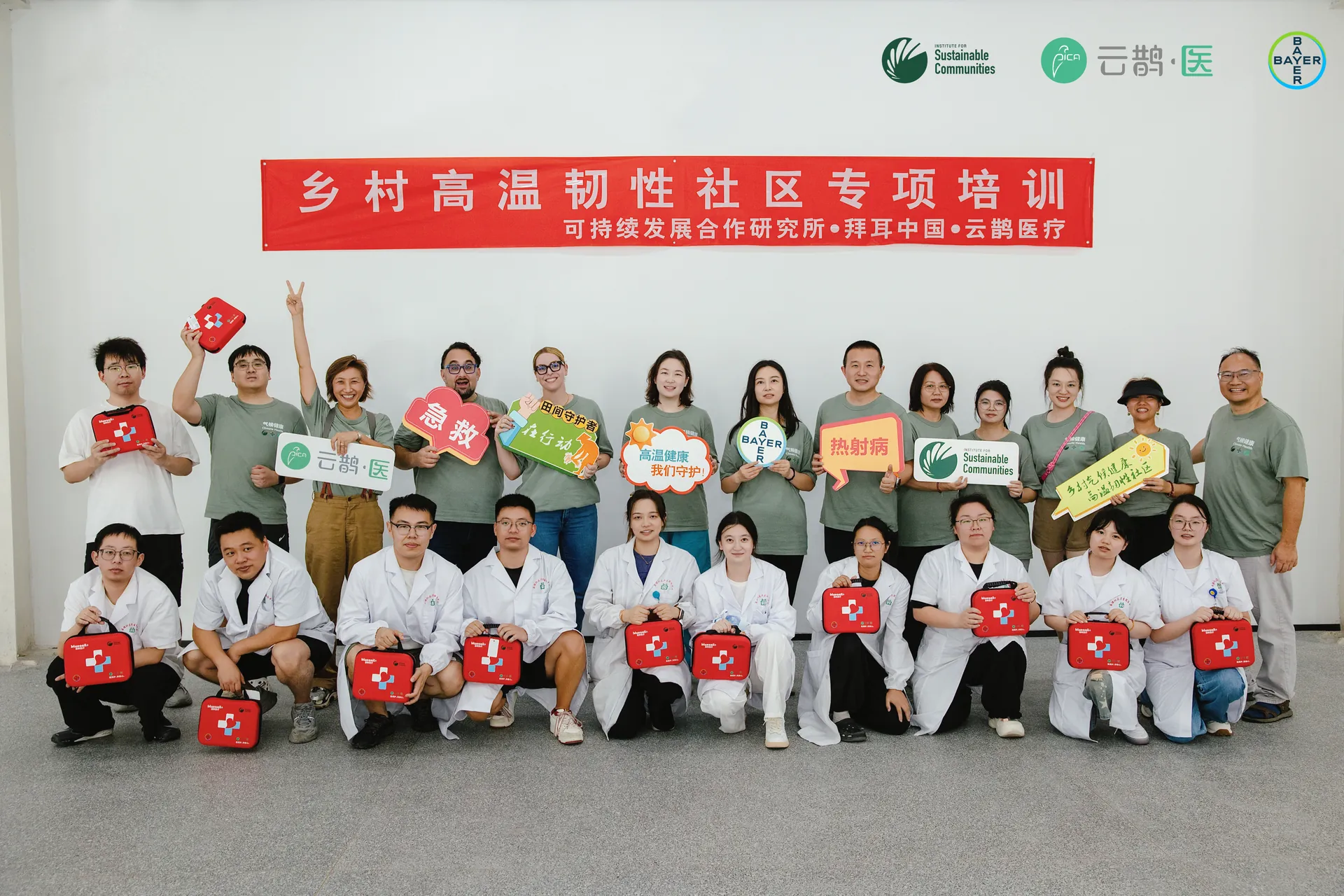
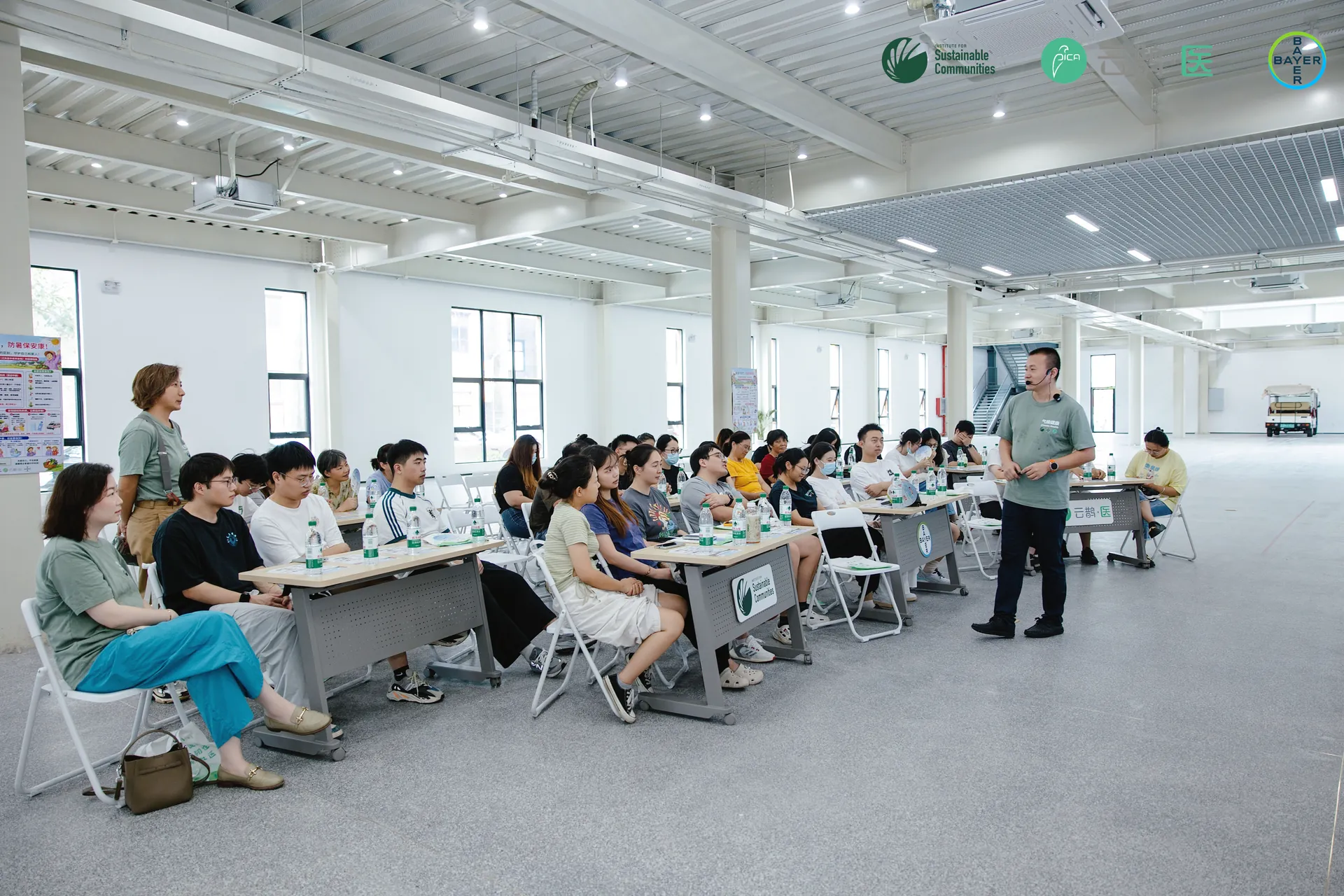
Training model: The first phase selected one to three doctors per community, supported by community volunteers and resident first-aid sessions. In August 2026, the model expanded to every community physician and every village doctor across the participating site's affiliated clinics.
On the ground
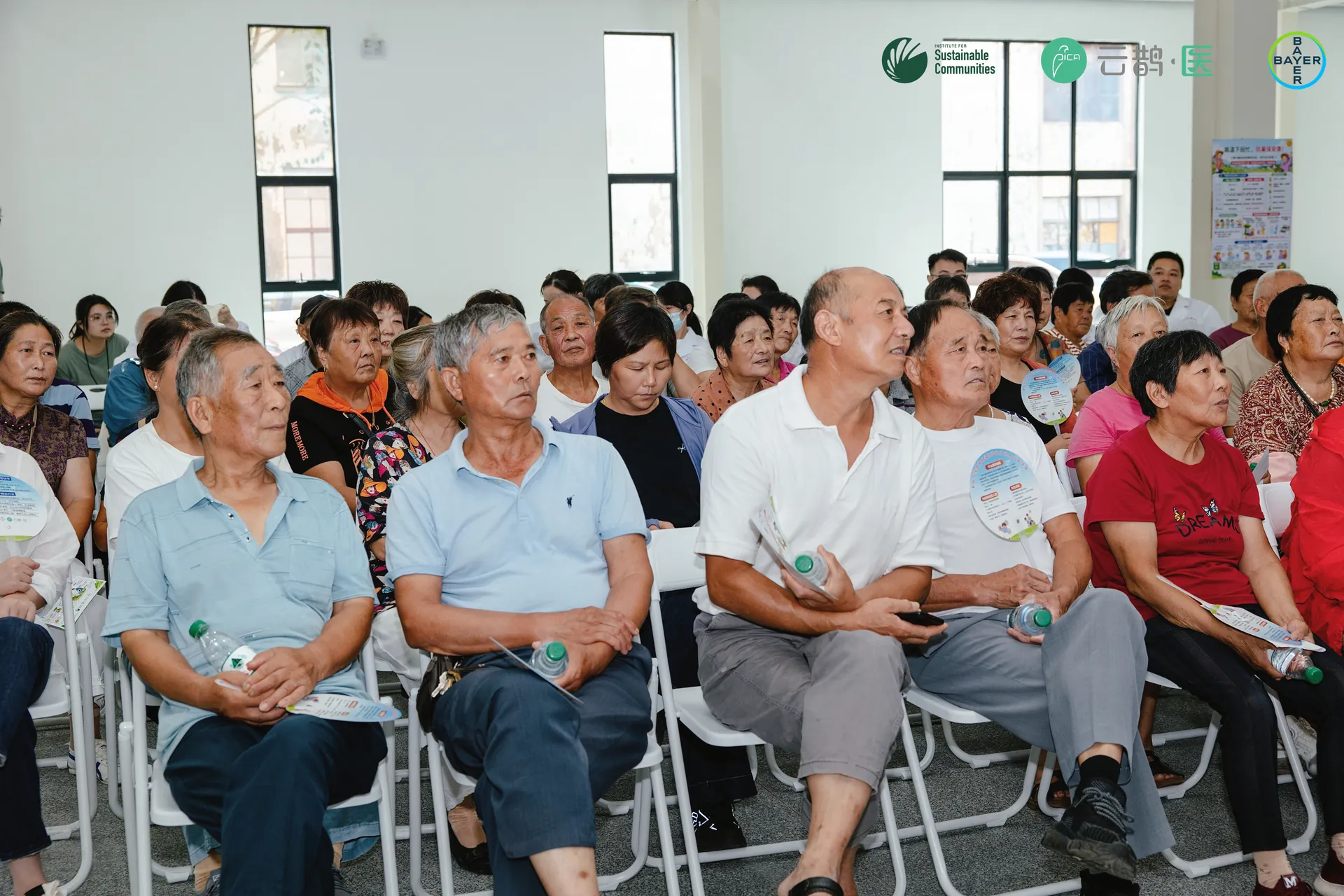
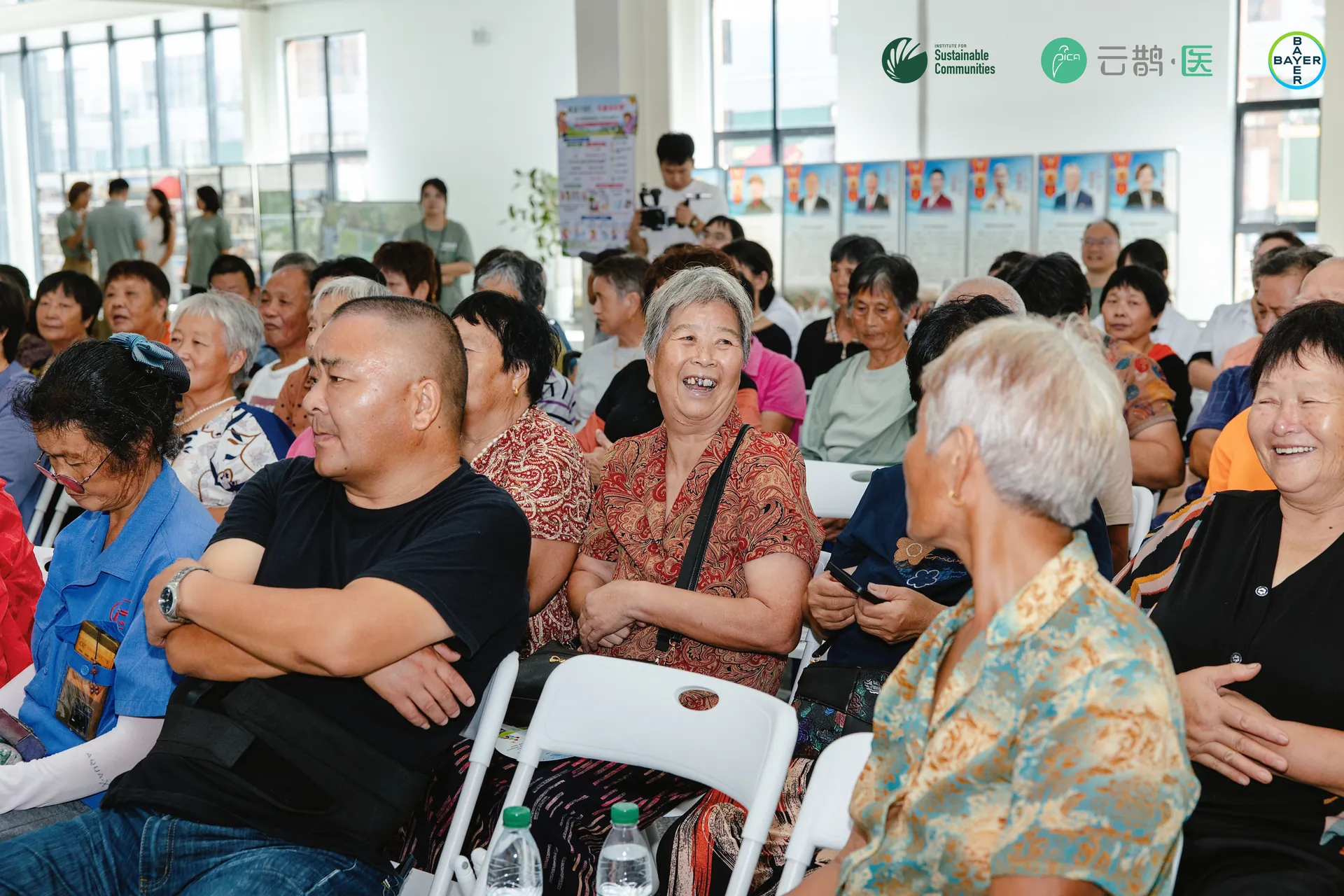
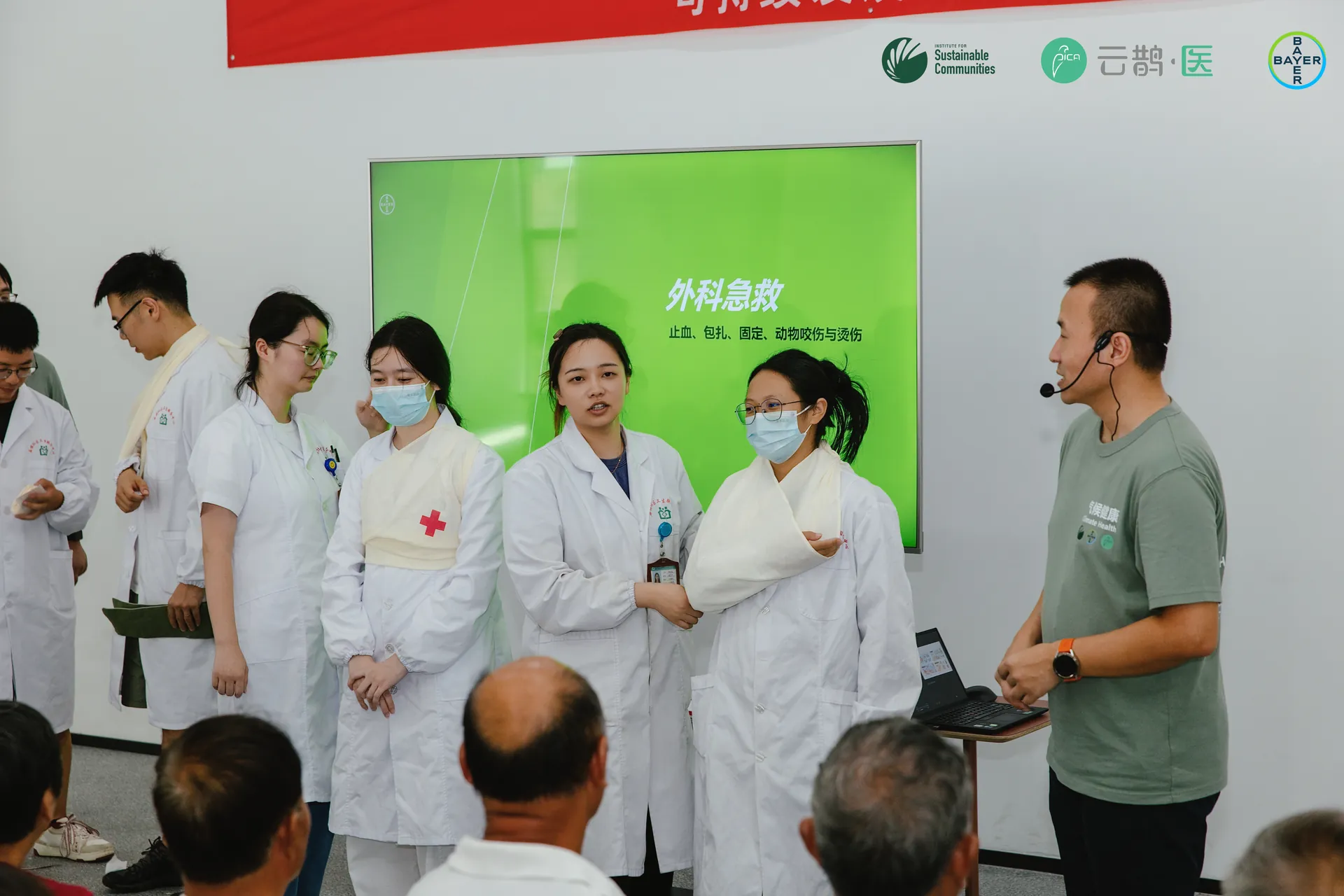
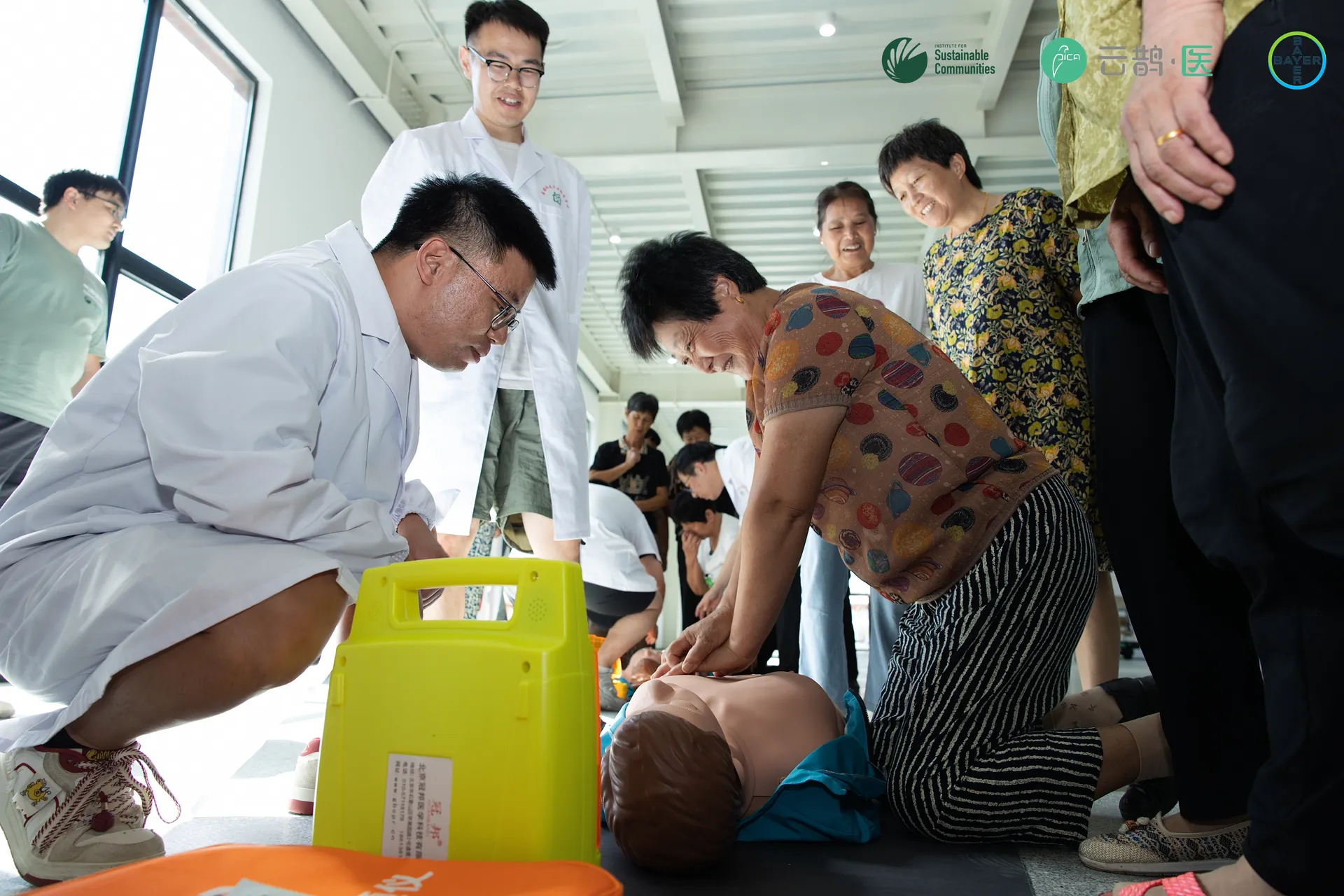
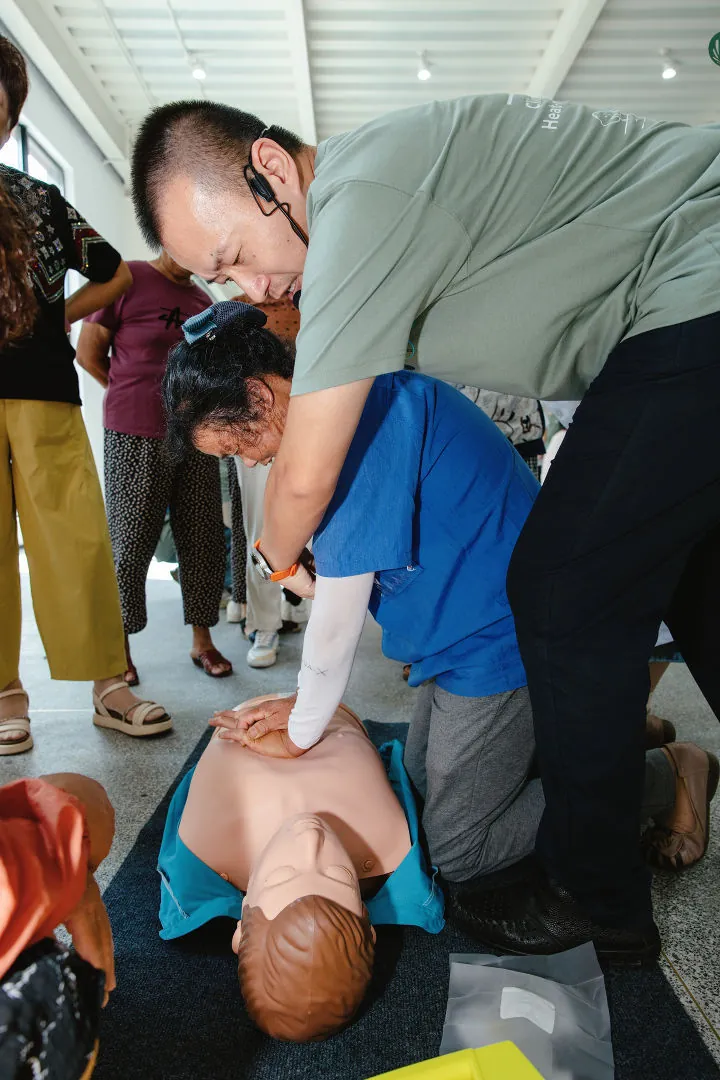
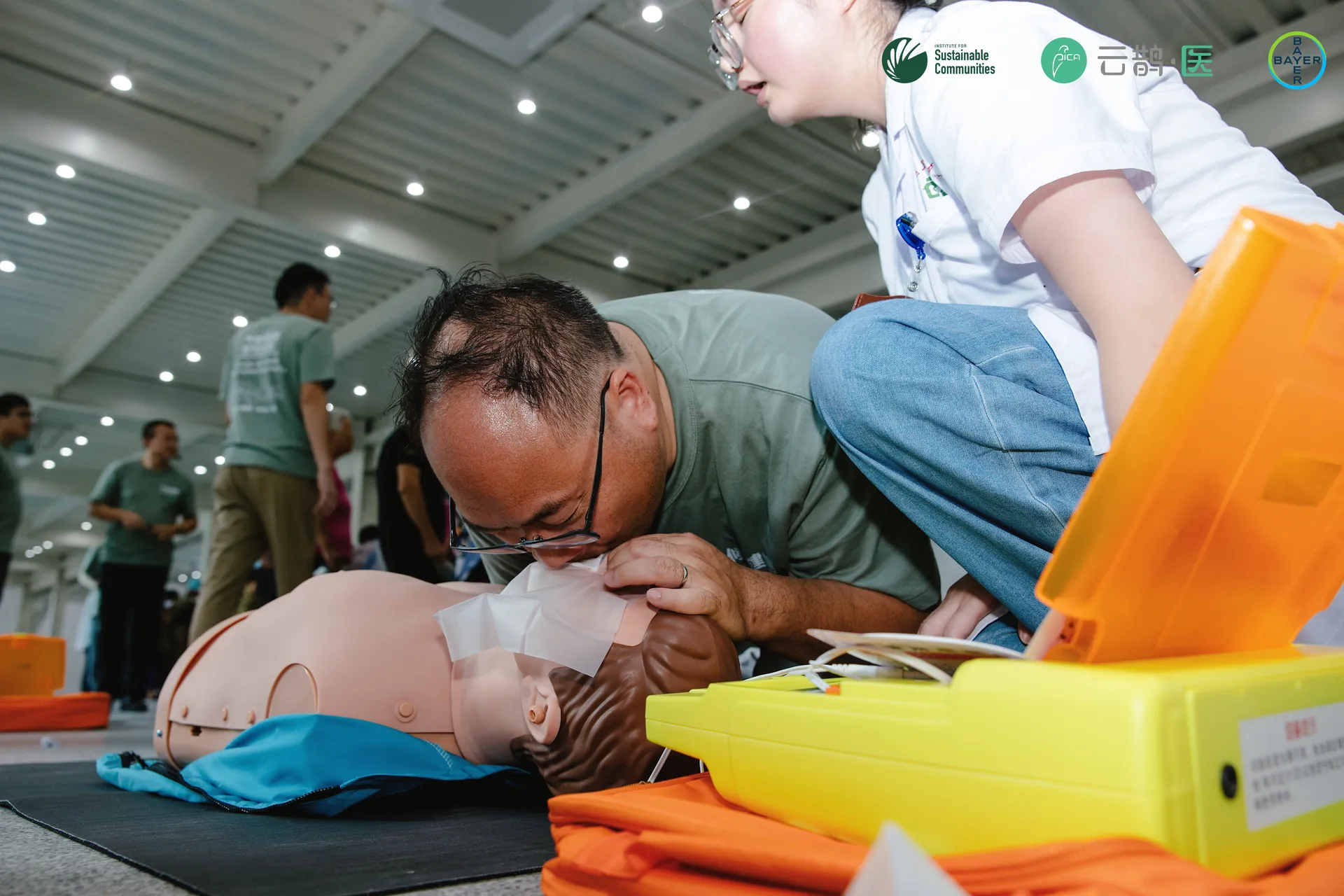
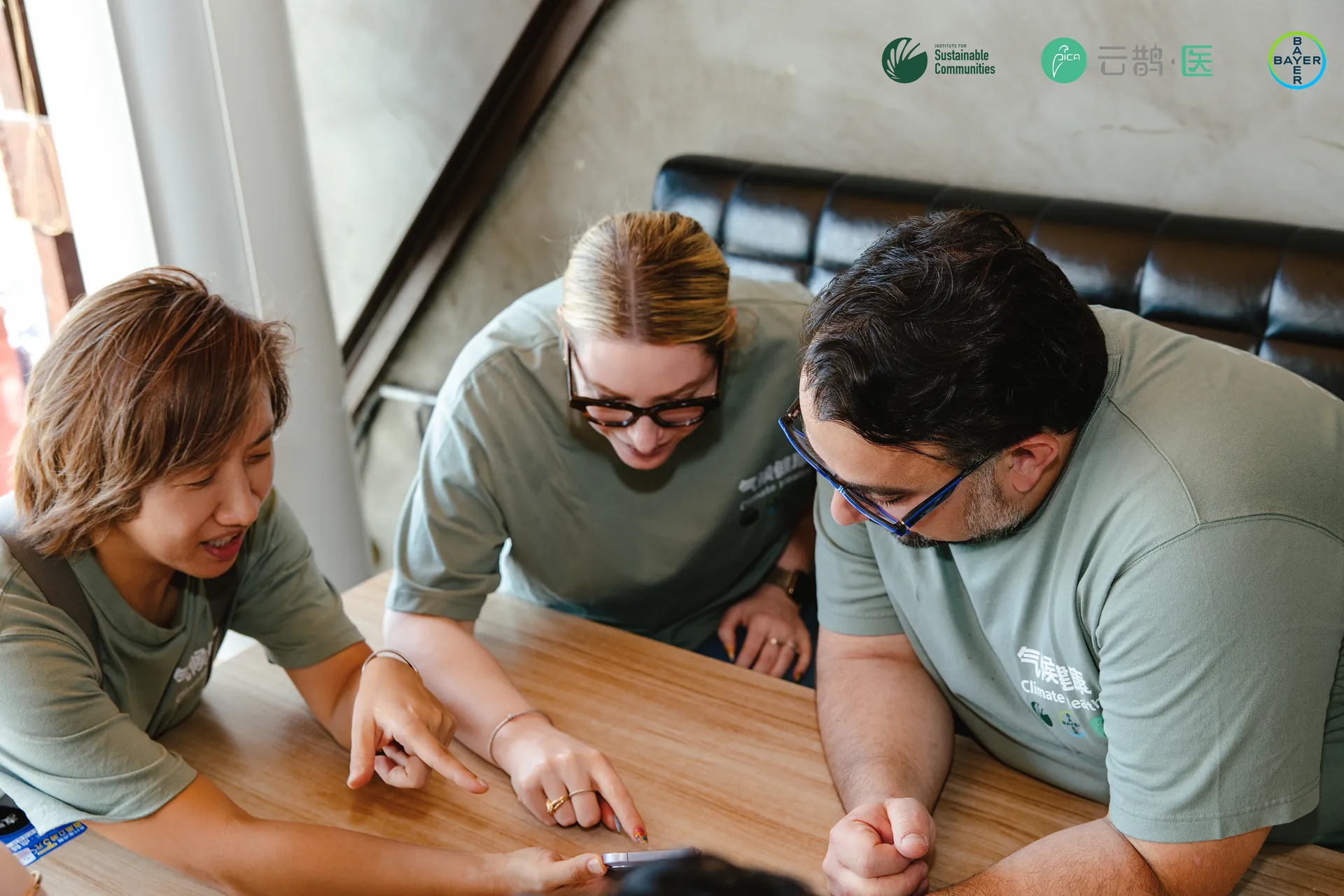
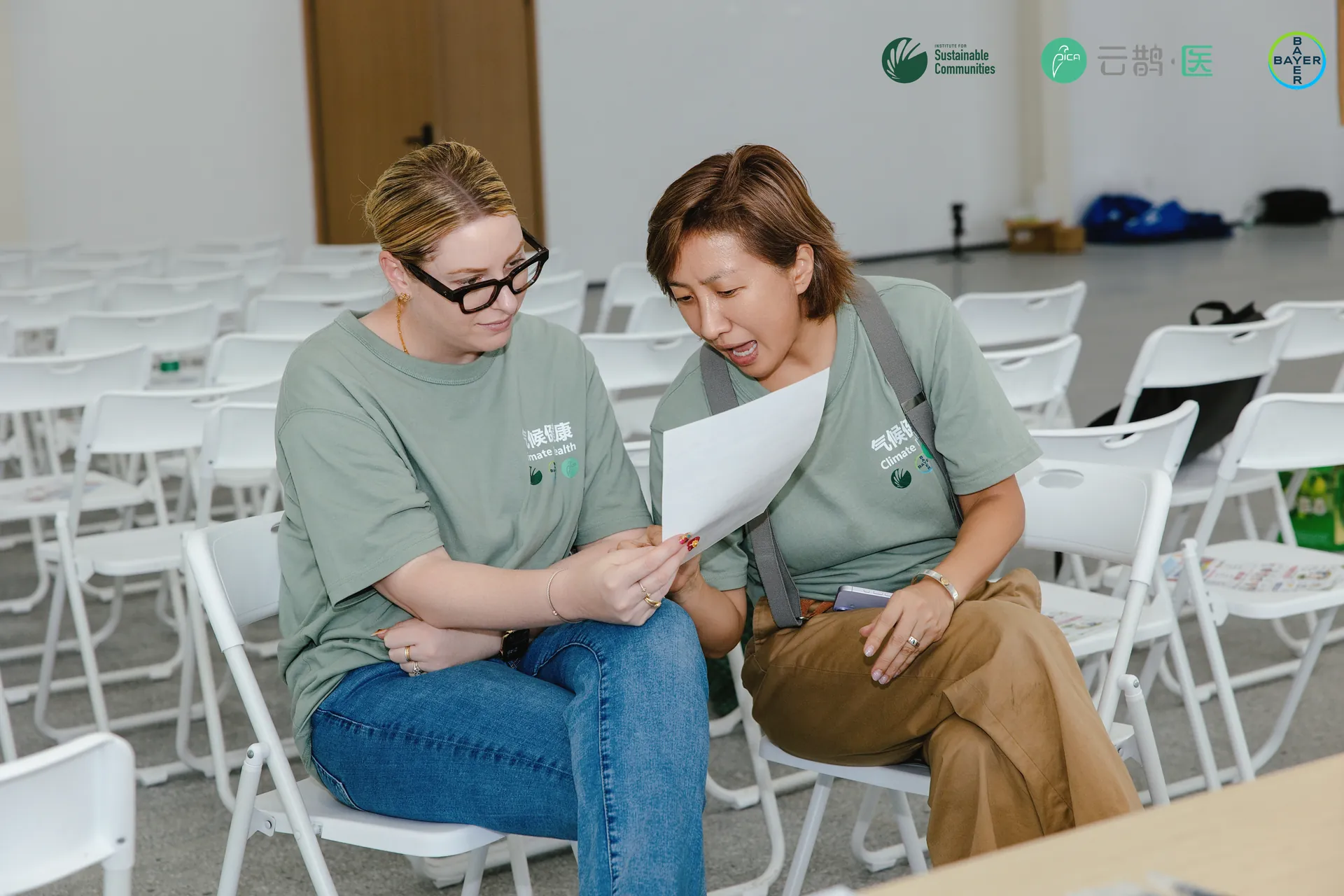
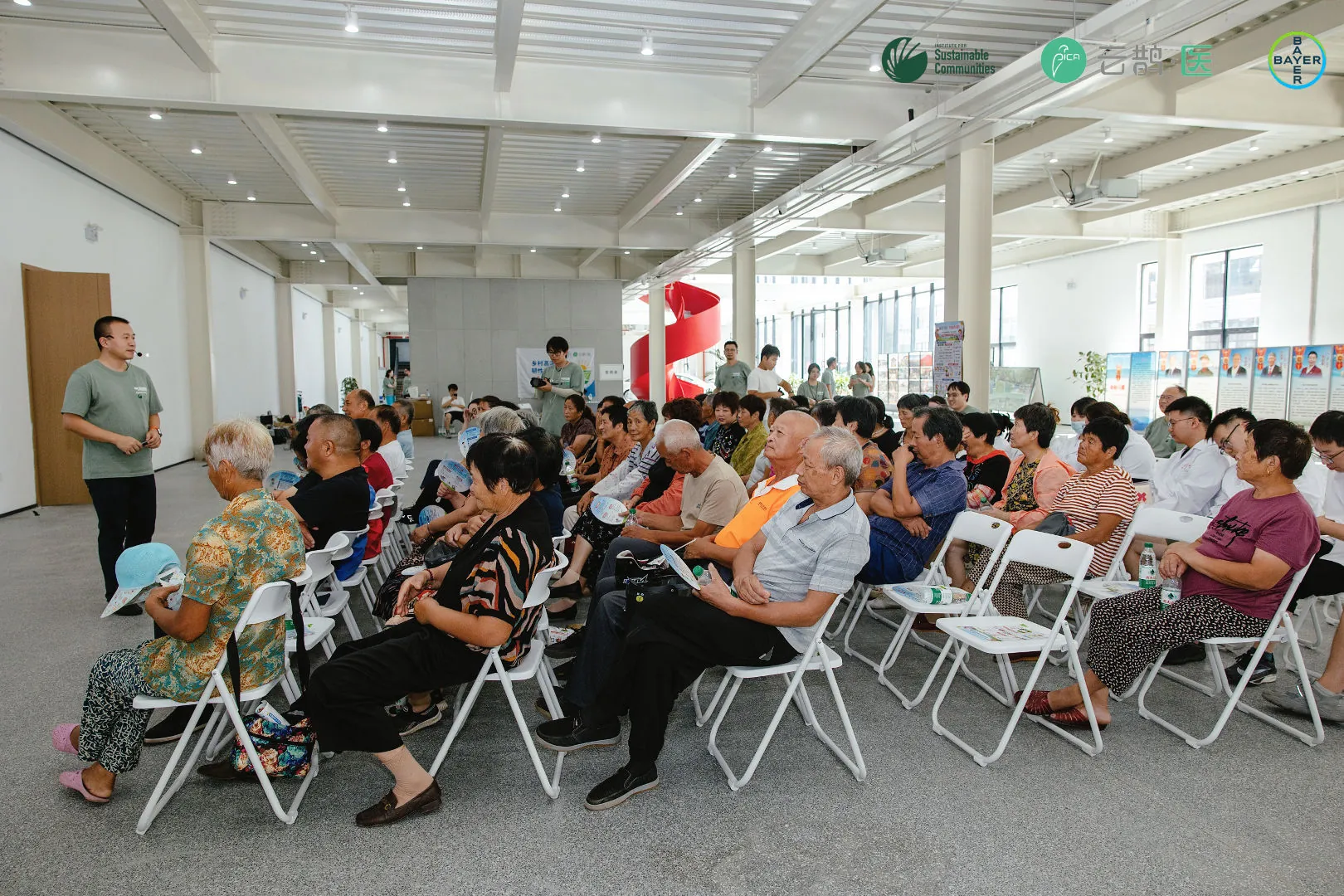
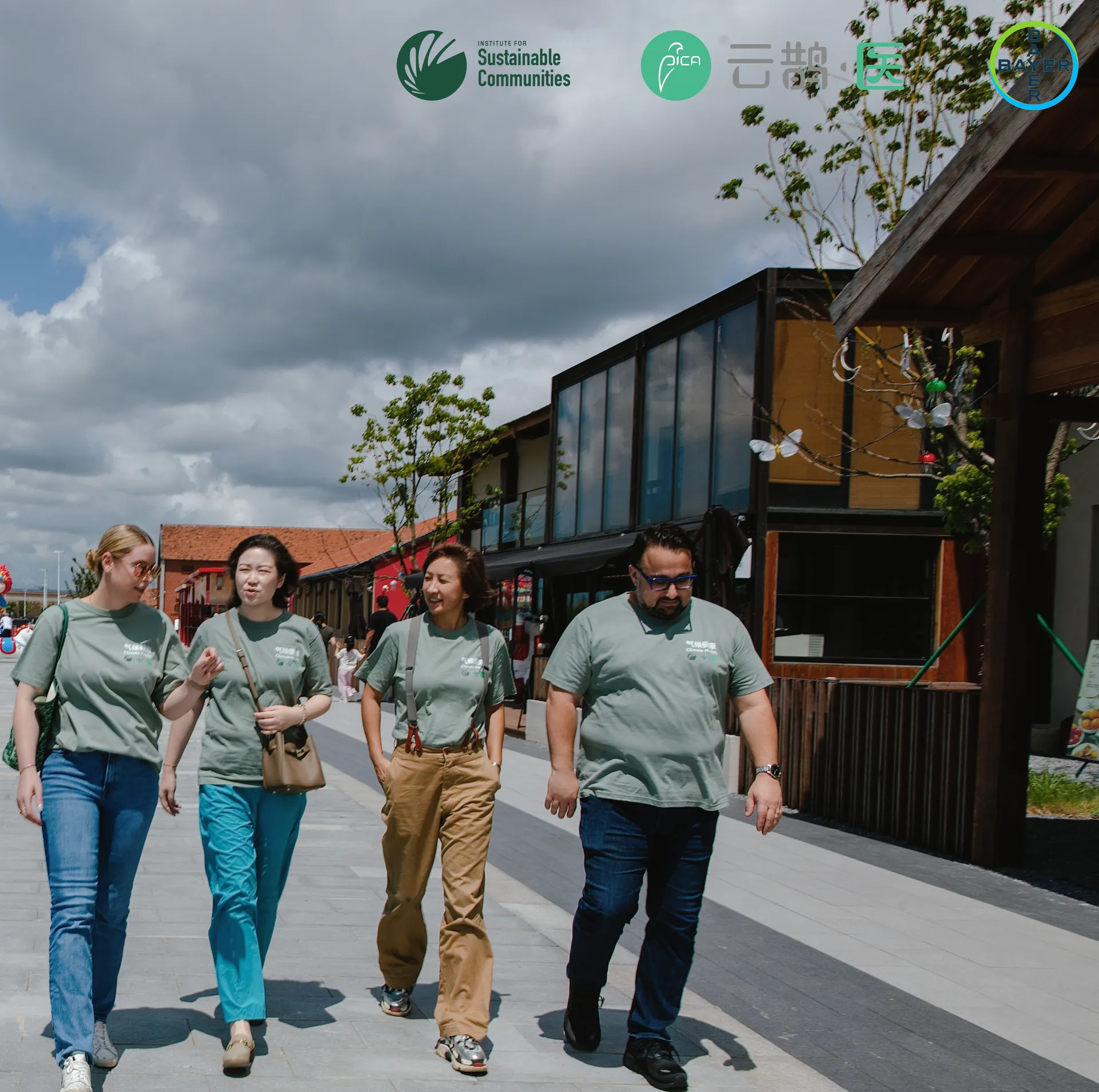
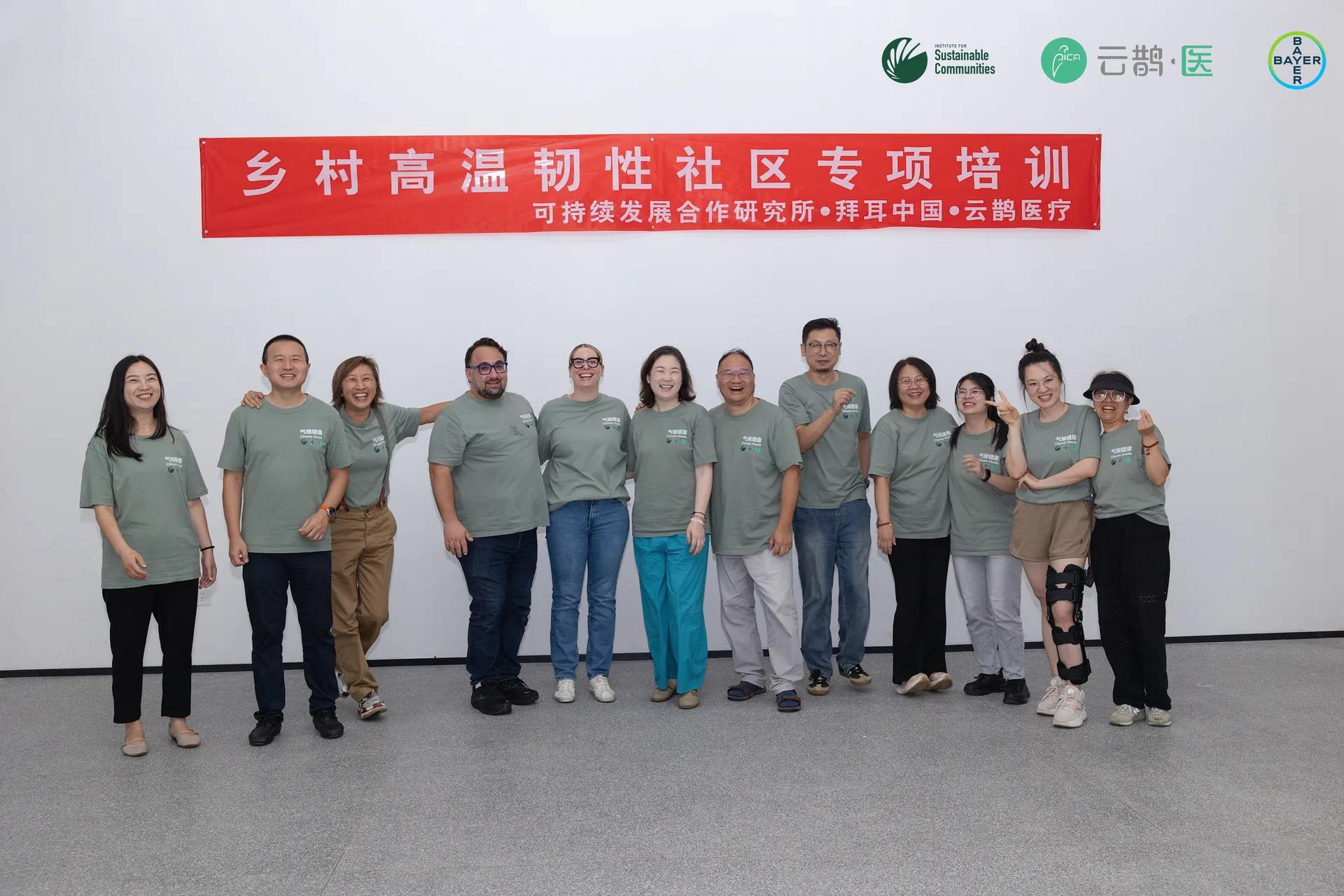
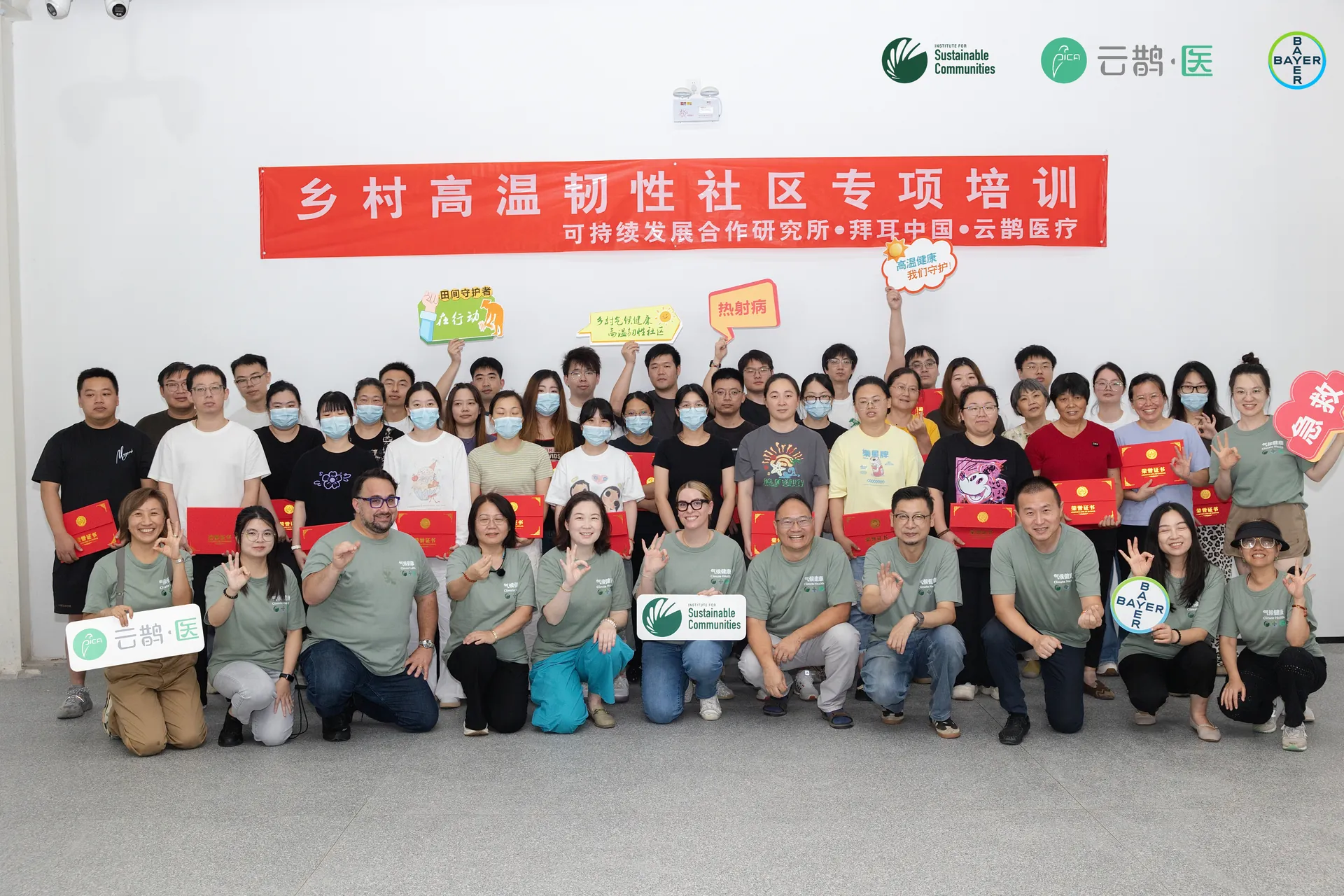
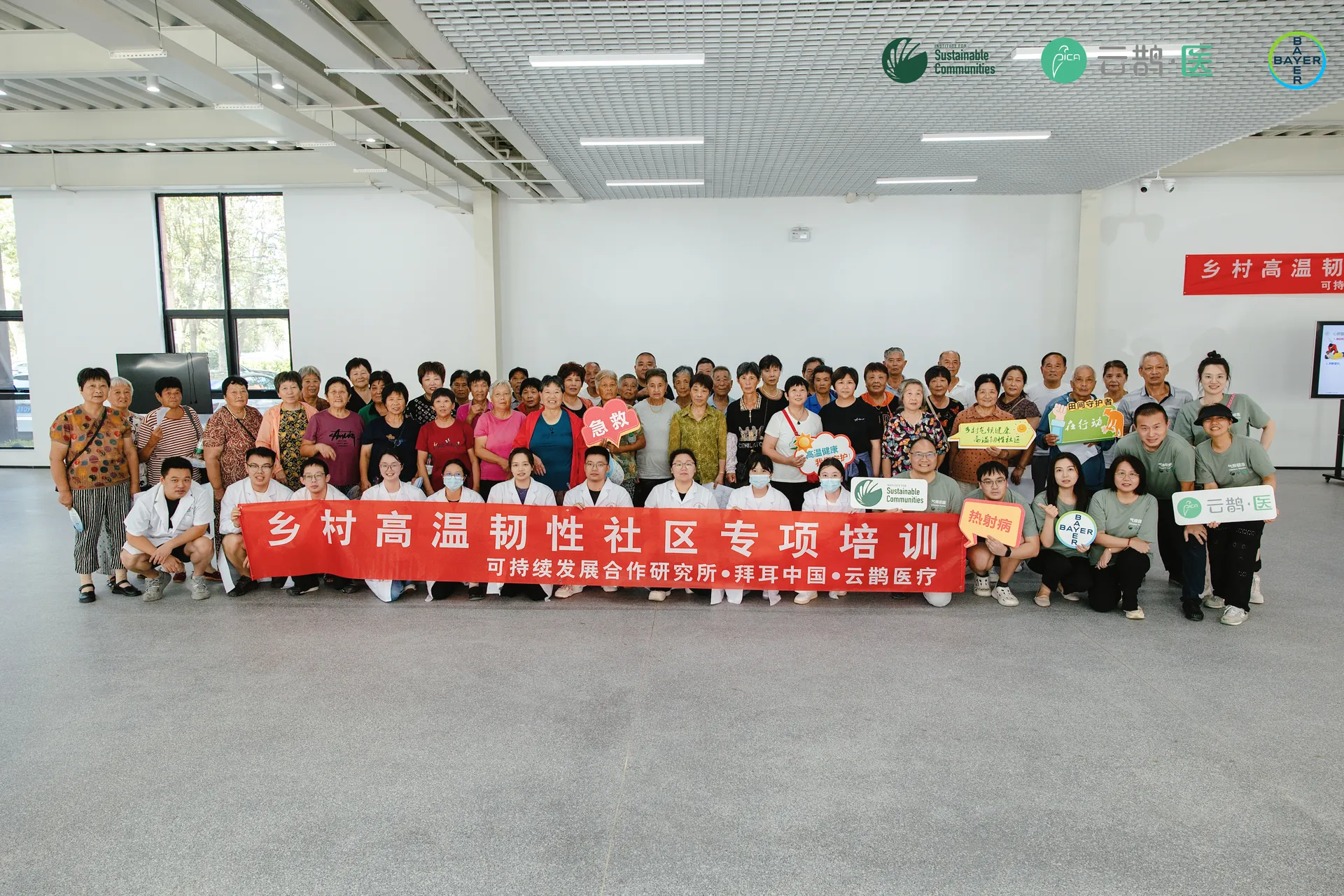
The first pilot went live in Fengxian District, Shanghai. On 9 July 2026, the opening session trained community physicians and volunteers in heat-illness recognition, on-site cooling and referral criteria — then moved to the fields for live drills: patient assessment, emergency cooling, CPR, AED use and wound care, practised in a working farm setting. The afternoon session brought prevention and first-response skills to 50 villagers.
August 2026 — from selected trainees to full coverage
In August 2026, PICA Health significantly expanded the Climate-Resilient Healthy Communities programme. The original model selected one to three doctors from each community. The upgraded model trains every physician in the participating community and every village doctor across its affiliated clinics.
Miaozhen Community on Chongming Island — Shanghai's most remote island — shows the scale of the change. Its 40 primary-care physicians serve and manage care for 40,000 residents. By covering the full local primary-care workforce in one coordinated programme, the upgrade extends heatstroke prevention, treatment and emergency-response capacity across the entire community.


Results
In August 2026, Miaozhen became an expanded-coverage site: all 40 primary-care physicians serving and managing care for 40,000 residents were included in the programme.
The operating model now covers all community physicians and affiliated village doctors, replacing the original one-to-three-doctor selection model.
The one-year first phase started in June 2026; the programme continues to track physicians and volunteers trained, emergency cases managed, and farm households covered.
Long-term goal: a climate-adaptive physician network reaching at least 100,000 farmers, with lessons designed for replication — and for presentation at international forums including the World Health Assembly and COP31.
Partner Voice
"Grassroots doctors are the most resilient gatekeepers in a changing climate. Through this partnership, we want to validate a rural climate-health model that can be replicated and scaled." — Dr. Zhong Peng, Head of Bayer Foundation, Asia-Pacific
Talk to usWant to run a programme like this? Talk to us → /#contact